15 Extreme Animals That Survive Where Life Should Struggle

Butterfly voyages / Wikimedia Commons / CC BY-SA 3.0
Some animals live so far outside the conditions most species can tolerate that they have forced scientists to rethink what survival can look like. They endure freezing temperatures, crushing pressure, thin air, intense heat, hypersaline water, and long stretches with almost no oxygen. In many cases, the solution is not simply toughness but a completely different way of managing blood, metabolism, insulation, or energy. These 15 animals show how far life can stretch before the environment finally wins.
1. Pompeii Worm
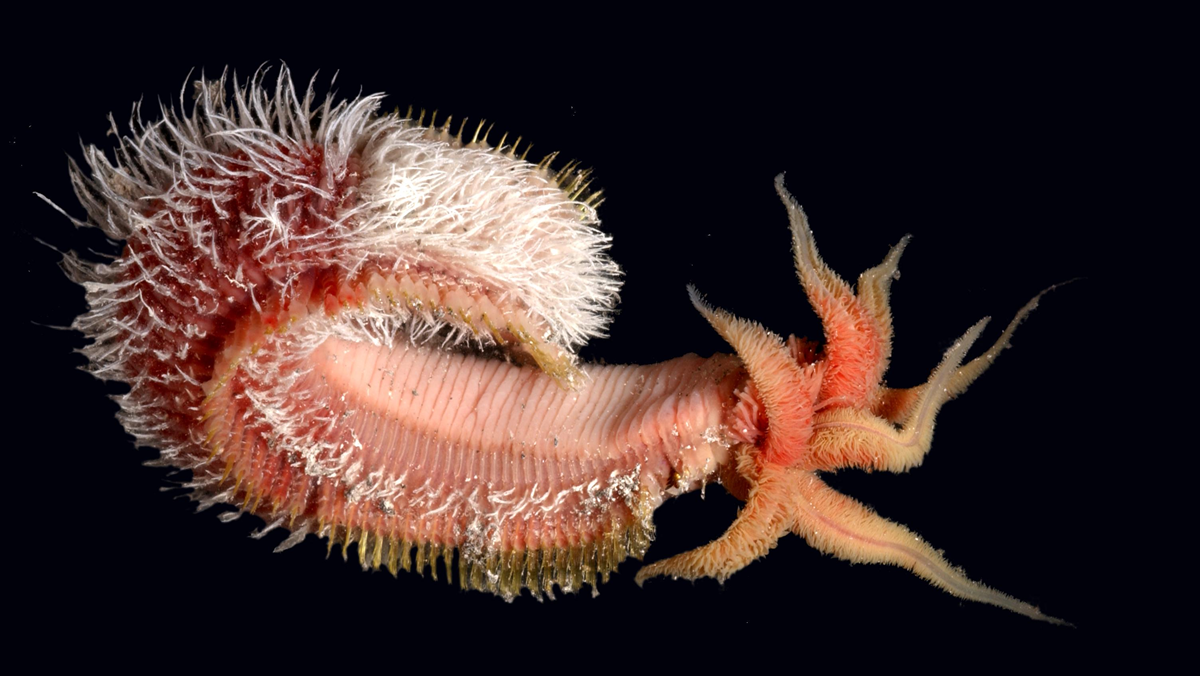
Olivier Dugornay / Ifremer / Wikimedia Commons / CC BY 4.0
A hydrothermal vent can release water heated to hundreds of degrees Celsius, yet Pompeii worms make their homes right beside these deep-sea furnaces. Alvinella pompejana lives in tubes attached to vent chimneys, positioning different parts of its body across an unusually steep temperature gradient. The worms themselves are not sitting in the hottest vent fluid, but researchers have recorded them in environments far warmer than those tolerated by most animals. Their backs are also coated with bacteria, adding another layer to one of the strangest animal-microbe relationships in the deep ocean.
2. Elephant Seal

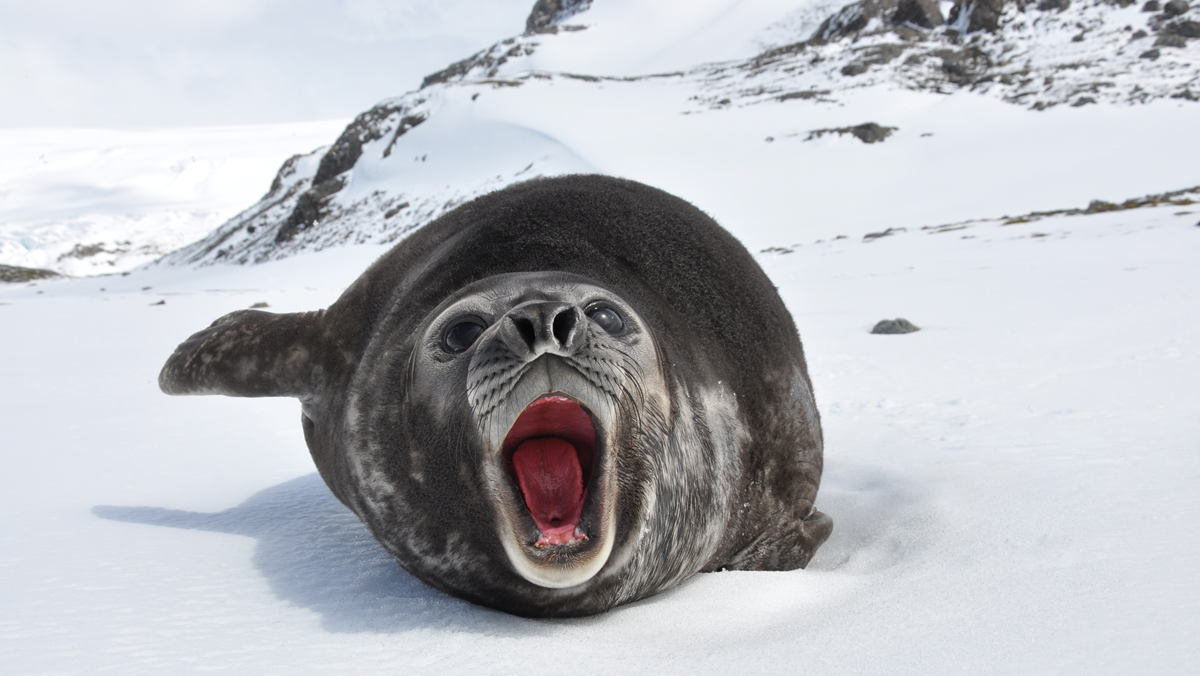
Butterfly voyages / Wikimedia Commons / CC BY-SA 3.0
An elephant seal resting on a beach does not immediately suggest extremophile material, but the ocean tells a different story. These seals make long, repeated dives to great depths, sometimes for well over an hour, spending much of their lives in cold water with very limited access to oxygen. They cope by storing large amounts of oxygen in their blood and muscles, slowing their heart rate during dives, and tolerating conditions that would quickly overwhelm most mammals. What looks lumbering on land becomes remarkably specialized once it disappears below the surface.
3. Bar-Headed Goose
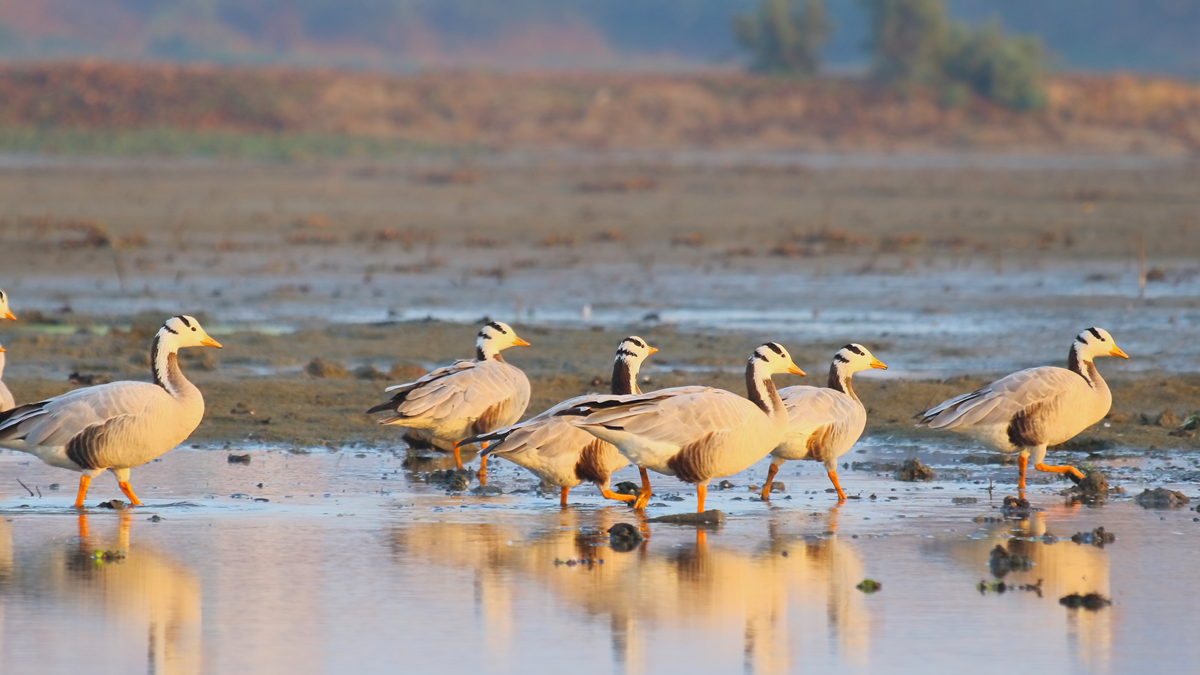
Rodrick Rajive Lal / Wikimedia Commons / CC BY-SA 4.0
Most migratory birds avoid the sort of altitudes that make humans dizzy, but bar-headed geese are known for flying over the Himalayas during migration. That means dealing with freezing air and remarkably low oxygen while still powering sustained flight, which is already an expensive activity in normal conditions. Their physiology helps make it possible, including especially efficient breathing and hemoglobin that binds oxygen more effectively than in many other birds. It is one of the clearest examples of a vertebrate turning extreme altitude into a regular part of its routine.
4. Devils Hole Pupfish
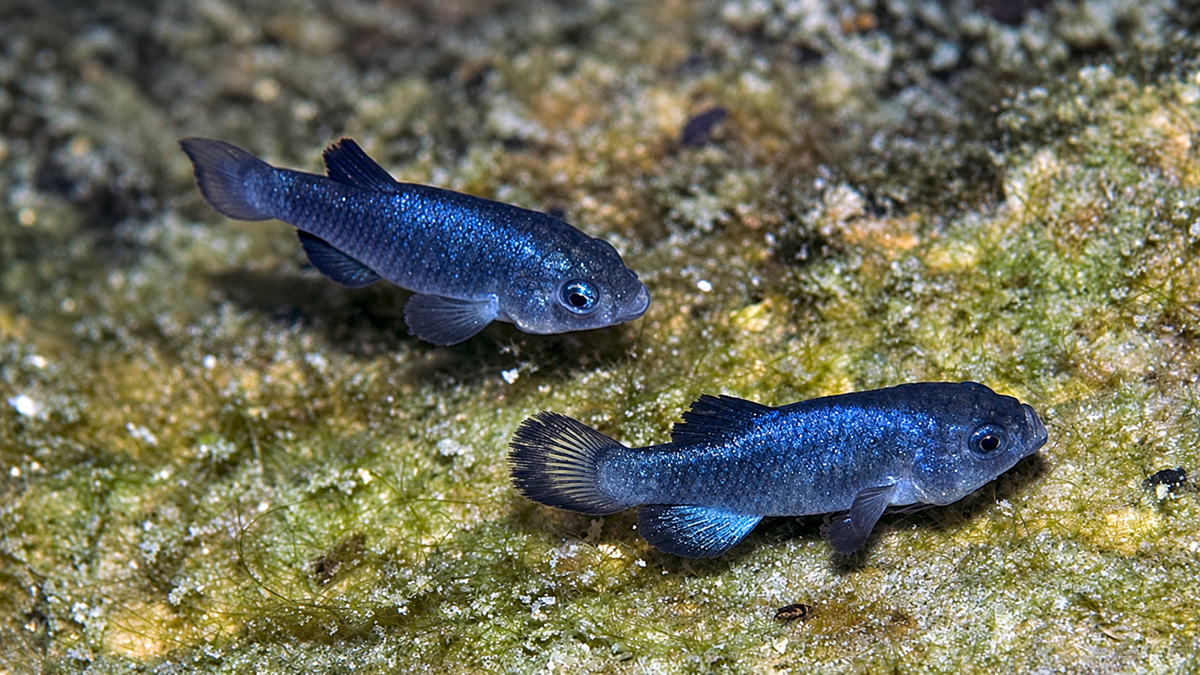
U.S. Fish and Wildlife Service / Wikimedia Commons / Public Domain
The entire natural world of the Devils Hole pupfish fits inside a geothermal cave system in the Nevada desert. Water in its deeper habitat remains around 33.5 to 34°C and contains very little dissolved oxygen, conditions close to the physiological limits of many fish. Cyprinodon diabolis still feeds, breeds, and completes its life cycle there. Its only natural habitat is Devils Hole, making an already extreme fish dependent on one exceptionally small patch of water.
5. Antarctic Icefish
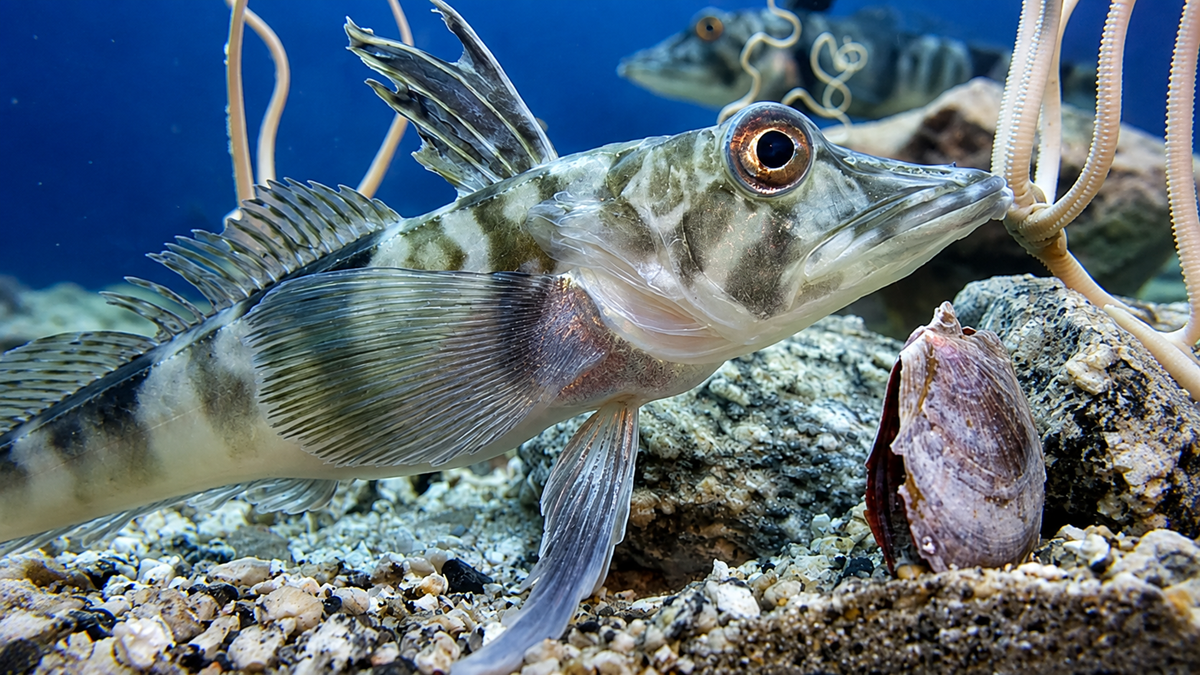
Uwe Kils / Wikimedia Commons / CC BY-SA 3.0
Take a close look at the blood of an Antarctic icefish, and one of the most familiar traits of vertebrates is missing. Icefish in the family Channichthyidae have no hemoglobin, the red pigment that normally transports oxygen through vertebrate blood. Instead, oxygen travels dissolved directly in their blood plasma. That unusual system is possible partly because the frigid Southern Ocean holds abundant dissolved oxygen, helping these pale-blooded fish survive with a circulatory system that would be disastrous for most vertebrates.
6. Wood Frog
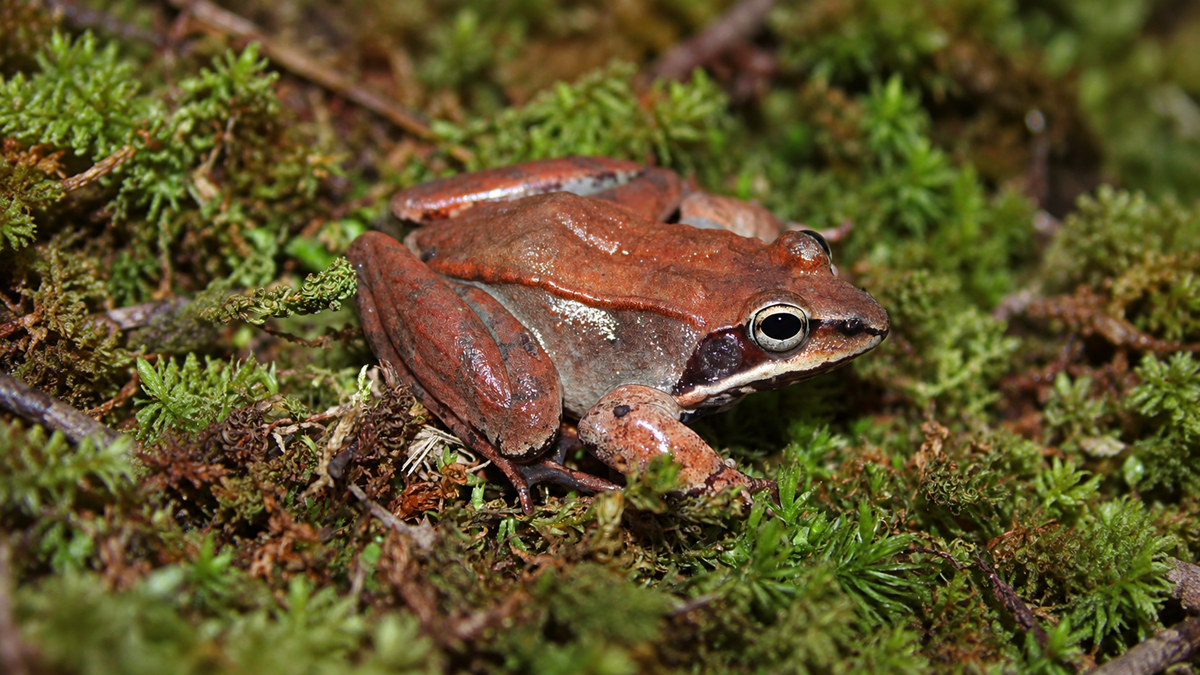
Peter Paplanus / Wikimedia Commons / CC BY 2.0
Winter can turn a wood frog into something that looks dead. In northern populations, much of the animal’s body water freezes, breathing stops, and its heart stops beating. The frog floods its tissues with glucose and other cryoprotective compounds that reduce cellular damage while ice forms around its cells. Alaskan wood frogs can remain frozen through prolonged subzero conditions and resume normal activity after thawing in spring.
7. Giant Tube
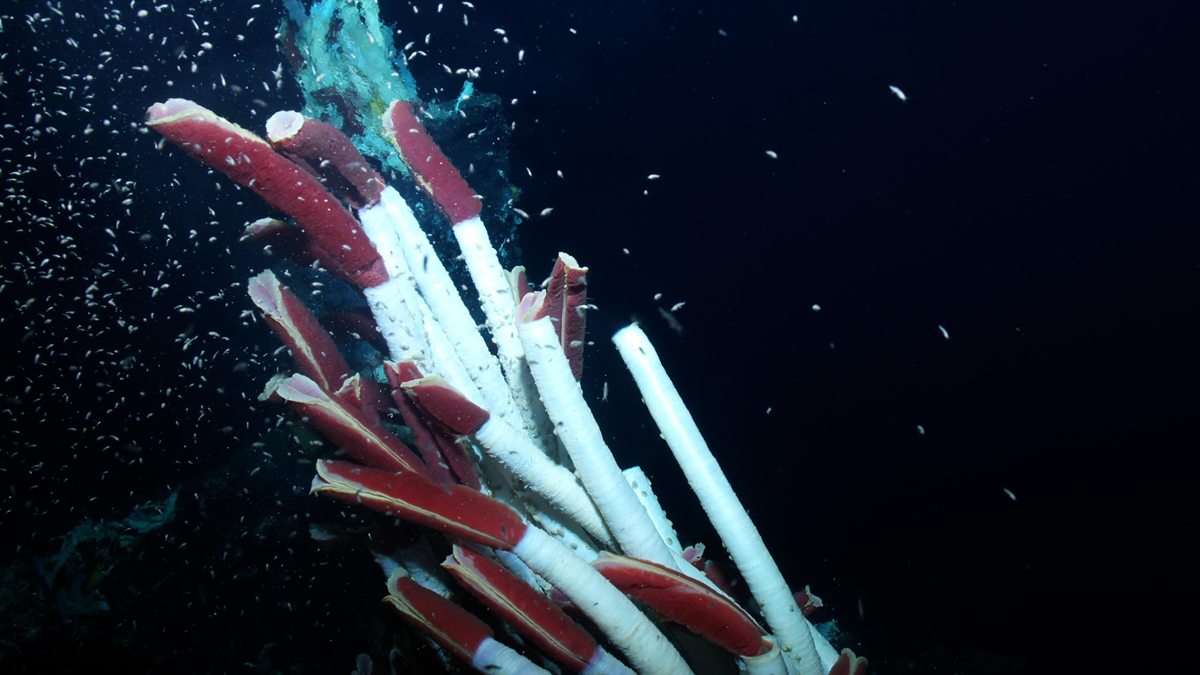
Ifremer / Wikimedia Commons / CC BY 4.0
When hydrothermal vent communities were discovered in the late 1970s, giant tube worms helped force a major rethink of how an ecosystem could be powered. Adult Riftia pachyptila have no mouth, gut, or anus. Instead, an internal organ called the trophosome contains enormous populations of bacteria that use chemicals from vent fluids to manufacture nutrients through chemosynthesis. The worms can grow more than a meter long even though their ecosystem receives no sunlight at all.
8. Sahara Silver Ant
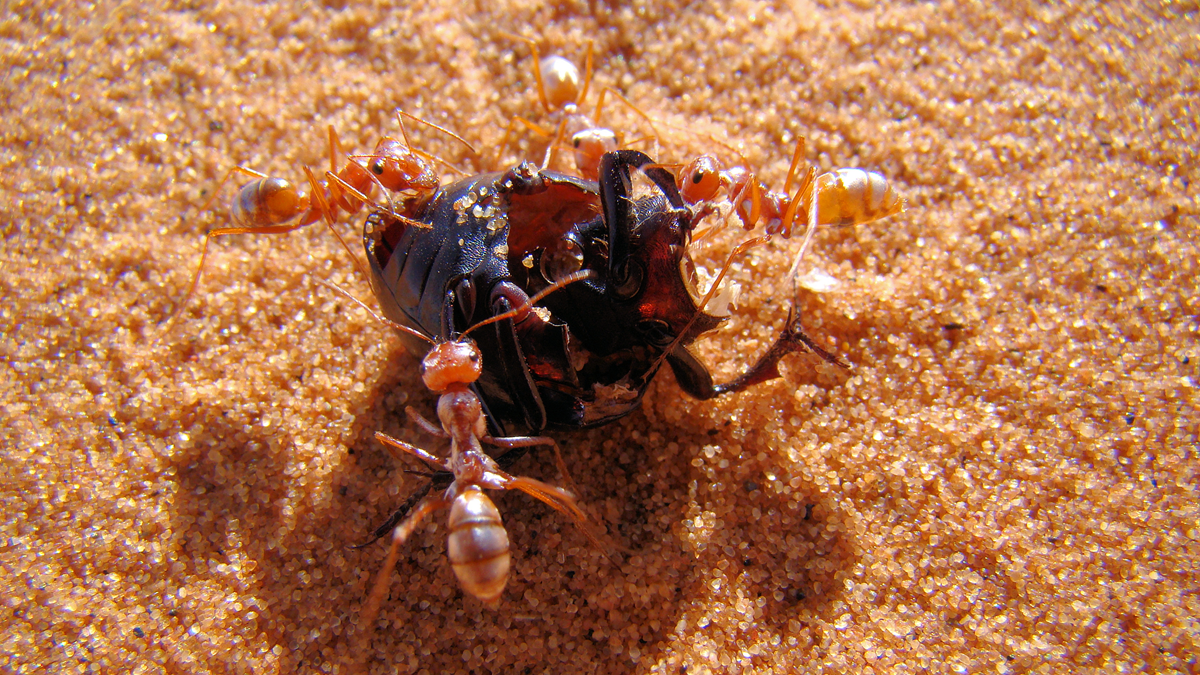
Bjørn Christian Tørrissen / Wikimedia Commons / CC BY-SA 3.0
Most desert animals avoid the middle of the day. Sahara silver ants do nearly the opposite, rushing onto scorching ground during the brief period when predators are less able to tolerate the heat. Cataglyphis bombycina can forage with body temperatures above 50°C, with experiments placing its critical thermal maximum at about 53.6°C. Its silvery hairs reflect sunlight and help release infrared heat, giving a tiny insect a surprisingly sophisticated cooling system.
9. Antarctic Toothfish
Paul Cziko / DeVries-Cheng Lab, University of Illinois / Wikimedia Commons
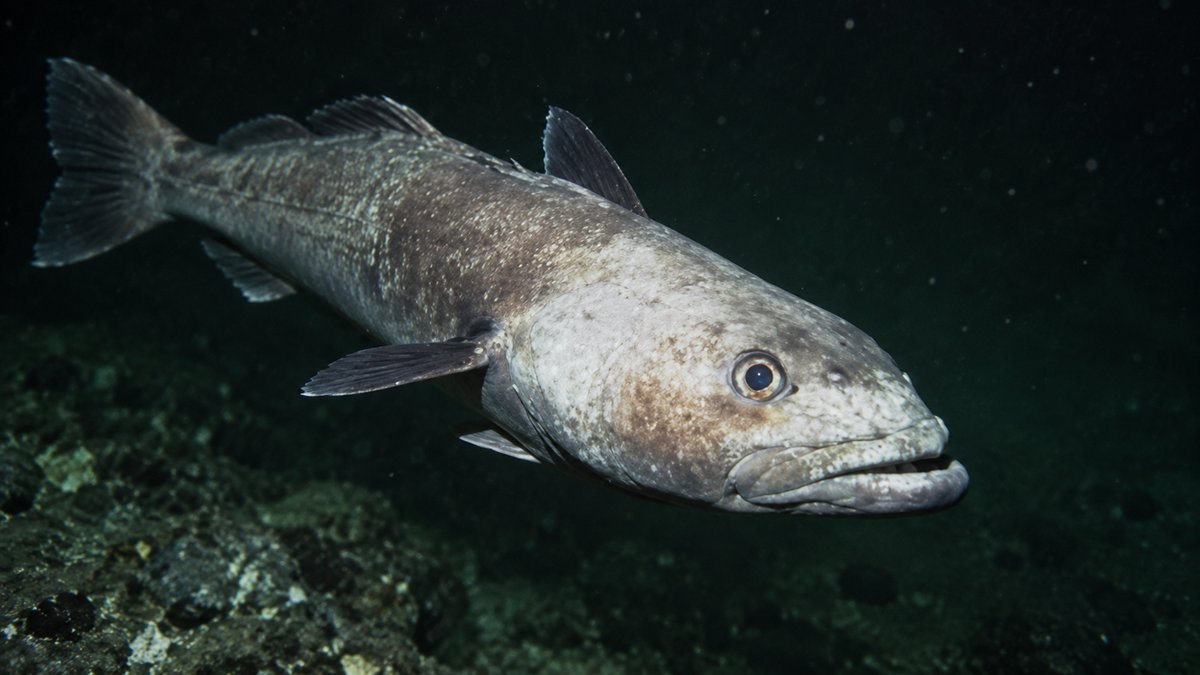
Seawater around Antarctica can remain liquid below the normal freezing point of freshwater, creating an obvious problem for a fish full of bodily fluids. The Antarctic toothfish, Dissostichus mawsoni, carries antifreeze glycoproteins that inhibit the growth of ice crystals and lower the temperature at which its fluids freeze. The adaptation helped Antarctic notothenioid fishes occupy waters near minus 1.9°C. Toothfish can grow into large predators, making this a case where extreme cold tolerance is anything but microscopic.
10. Antarctic Midge
Igor Gvozdovskyy / Wikimedia Commons / CC BY 4.0
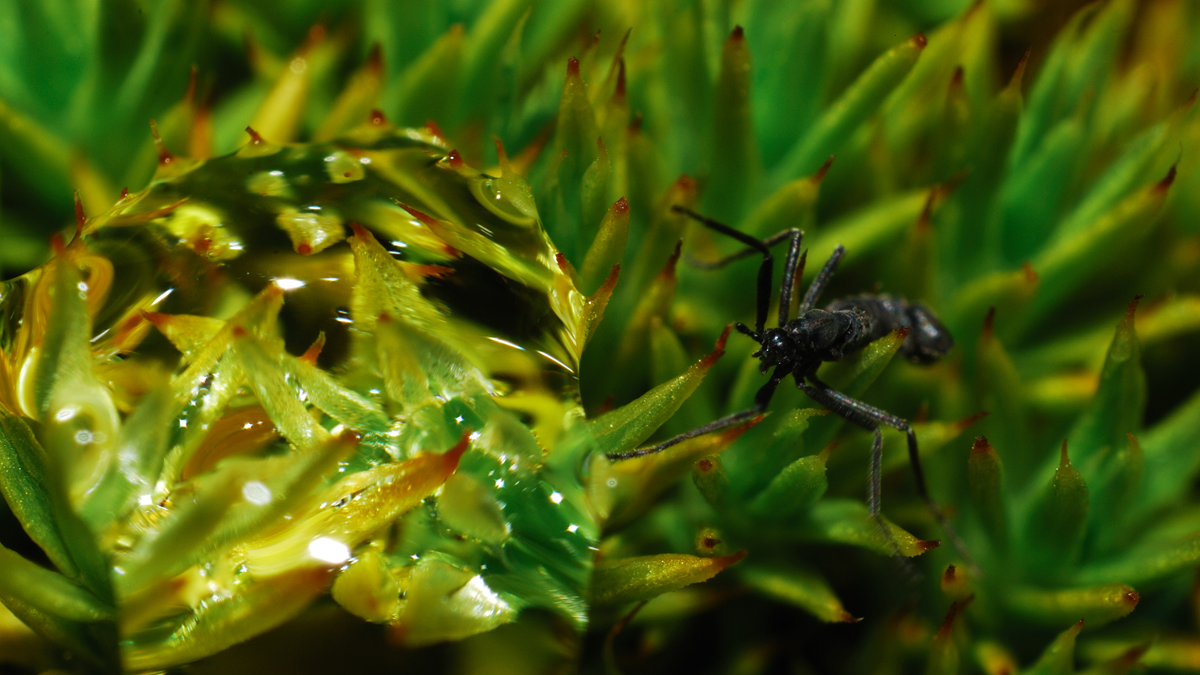
Antarctica’s largest permanently land-dwelling animal is still only a few millimeters long. Belgica antarctica spends much of its life as a larva trapped in soil, moss, and ice, enduring months of subzero temperatures along with severe dehydration. Experiments have found larvae surviving the loss of more than 75 percent of their osmotically active water, while cold-acclimated individuals can survive freezing temperatures around -15°C. For an insect, its home is about as unforgiving as terrestrial life gets.
11. Naked Mole-Rat
Benny Mazur / Wikimedia Commons / CC BY 2.0
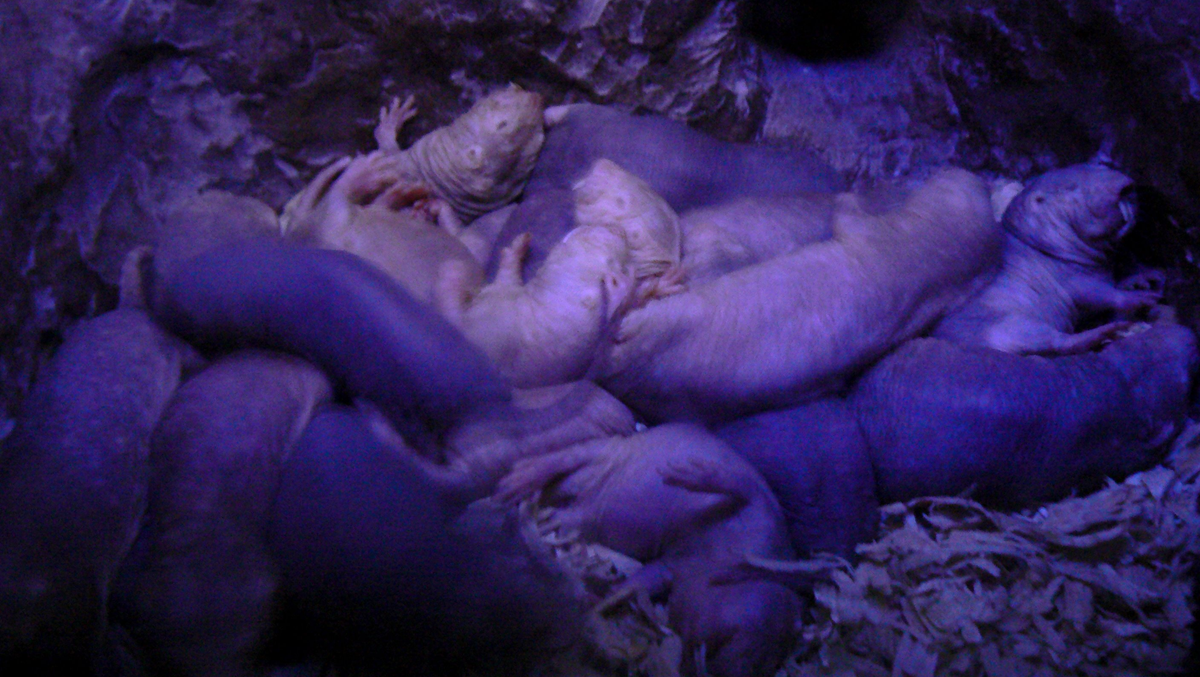
A crowded underground colony can gradually consume its available oxygen while filling the burrow with carbon dioxide. Naked mole-rats evolved in exactly that sort of environment. These mammals can tolerate oxygen concentrations and carbon dioxide levels that would be dangerous or lethal to many other mammals, and experiments have shown them surviving 18 minutes in complete anoxia. During oxygen deprivation, their metabolism can switch toward using fructose in a way rarely seen in mammalian tissues.
12. Yak
Adarsh Thakuri / Wikimedia Commons / CC BY 2.0
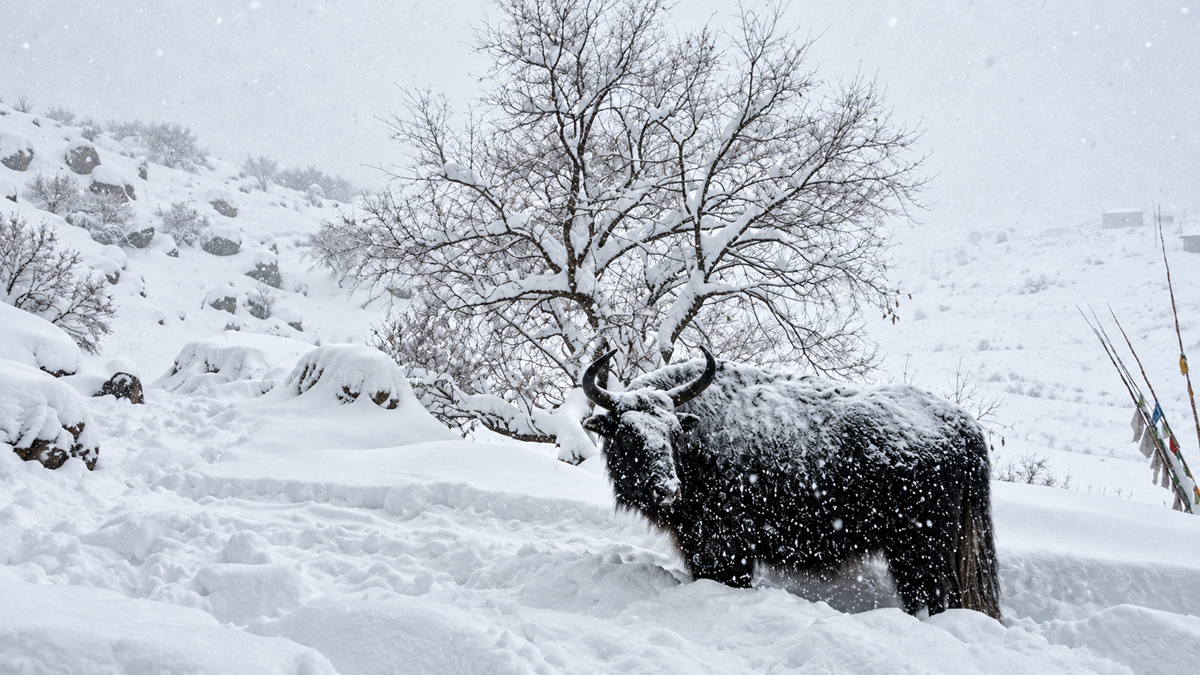
A yak looks built for bad weather because, in a way, it is. Native to the Tibetan Plateau and nearby highlands, yaks spend their lives in thin air, intense cold, and landscapes where many large mammals would struggle just to keep moving. They have oversized lungs and hearts relative to body size, dense insulating coats, and blood-related adaptations that help them function at elevations where oxygen is in short supply. For scientists, they are a clear reminder that even a huge grazing animal can be finely tuned for an environment that feels punishingly close to the edge.
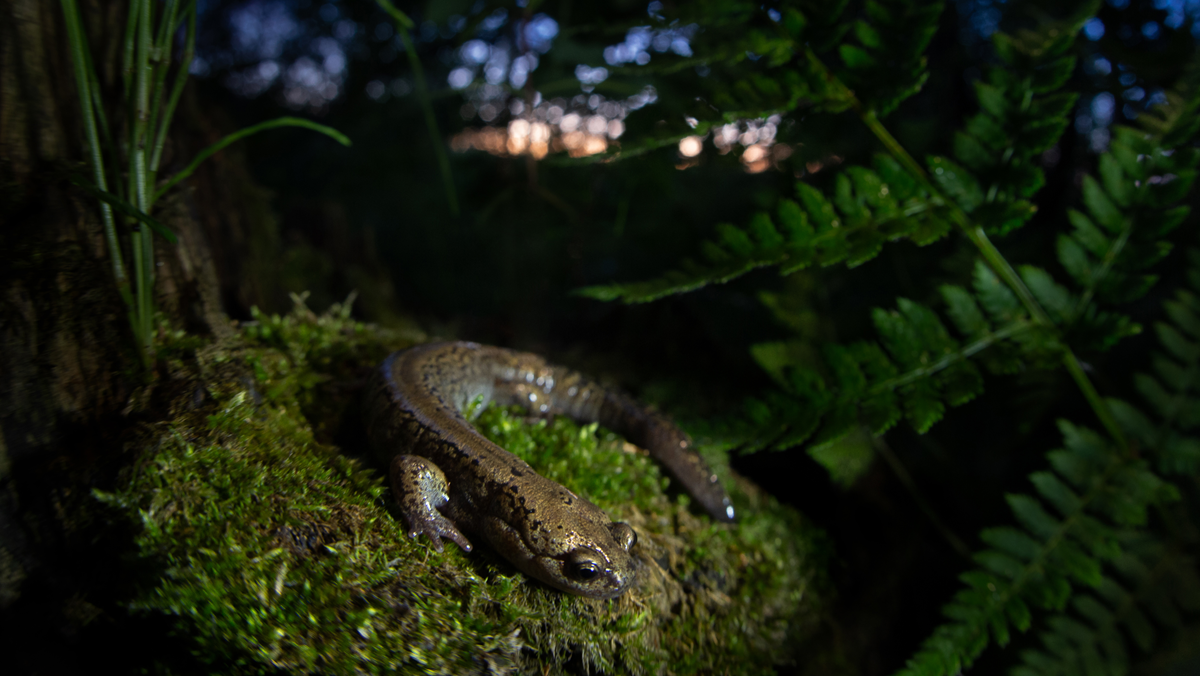
13. Siberian Salamander
Малафеева Елена / Wikimedia Commons / CC BY-SA 4.0
The Siberian salamander has a talent that sounds almost like a rumor: it can survive being frozen. Found across some of the coldest inhabited regions of northern Asia, this small amphibian is associated with environments where winter can become brutally severe, and the ground remains locked in ice for long periods. It survives by tolerating freezing in a way that few vertebrates can, using physiological tricks that limit damage as ice forms in the body. Scientists keep returning to it because it pushes an old assumption past its breaking point: that a cold-blooded land animal should not be able to endure that kind of freeze and still come back.
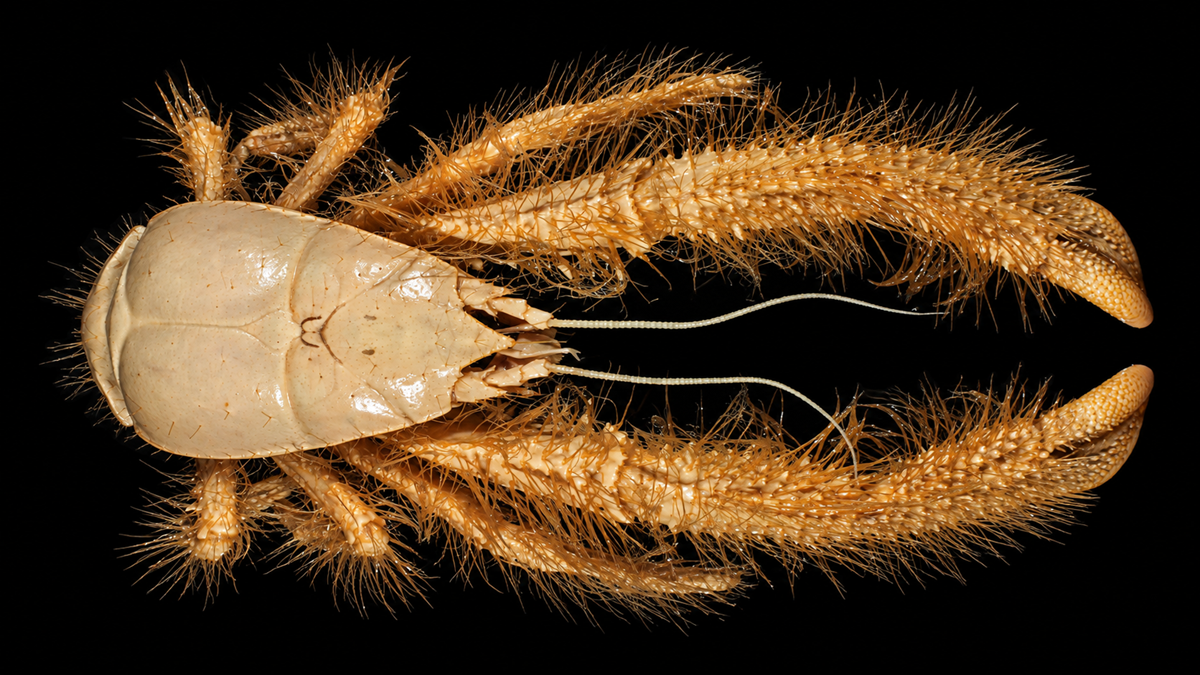
14. Yeti Crab
Dake / Wikimedia Commons / CC BY-SA 2.5
The first known yeti crab, Kiwa hirsuta, was discovered in 2005 near hydrothermal vents in the South Pacific. It lives in deep darkness around chemically rich seafloor systems and lacks functional eyes. Related yeti crabs cultivate bacteria on hair-like structures covering their limbs, using movements through vent water to encourage microbial growth before feeding on it. It is another reminder that some deep-sea animals effectively farm food in ecosystems powered by chemistry rather than sunlight.
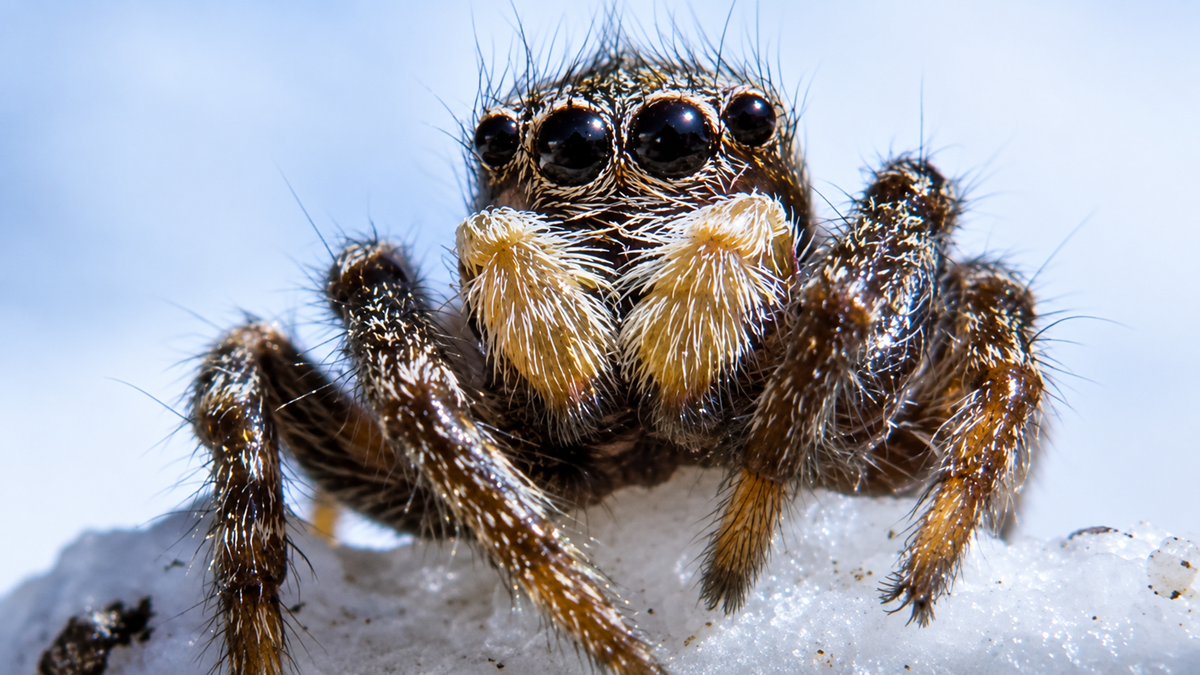
15. Himalayan Jumping Spider
France TV Nature via Youtube
Near the upper slopes of Mount Everest, there are places with barely any vegetation, little oxygen, intense ultraviolet radiation, and freezing temperatures, yet spiders have been found living there. Euophrys omnisuperstes has been recorded at roughly 6,700 meters above sea level, hiding beneath rocks in the Himalayas. With almost no obvious local food web around it, the spider is thought to survive partly by catching tiny insects and springtails carried upward by the wind. Even high on the world’s tallest mountain, a predator has managed to find a niche.
In the mood for more?
Check out 15 Overlooked Insects Whose Disappearance Would Cause Real Trouble, or take a look at 15 Animals That Could Soon Disappear Forever. If you want to see more incredible animal stories, you can check out 15 Animals With Social Lives More Complicated Than Most Humans.
Source: Nature