India Declared Cheetahs Extinct in 1952. Now 9 Cubs in 2 Months

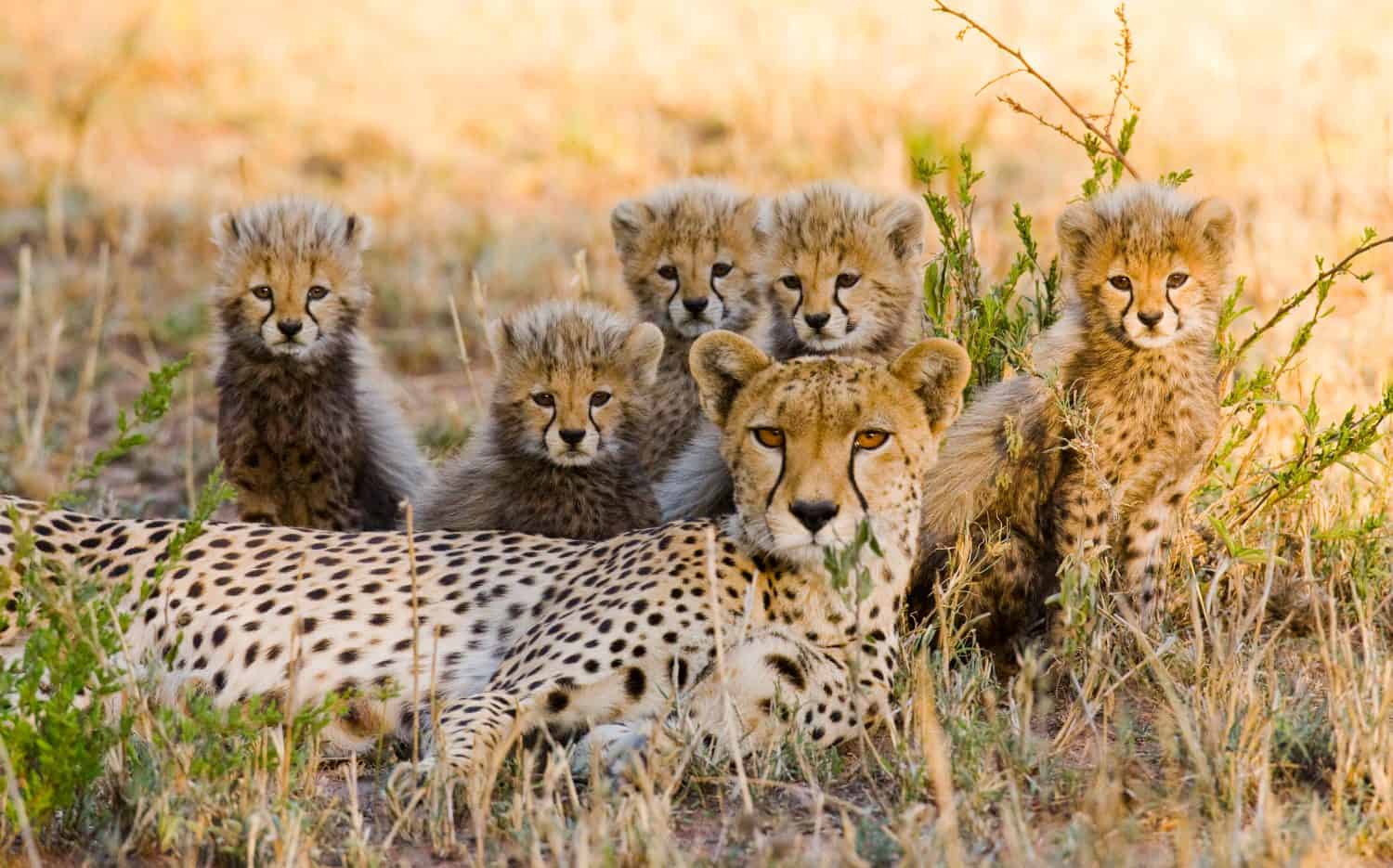
Mother cheetah and her cubs in the savannah. Kenya. Tanzania. Africa. National Park. Serengeti. Maasai Mara. An excellent illustration.© GUDKOV ANDREY/Shutterstock.com (© GUDKOV ANDREY/Shutterstock.com)
Cheetahs in India are rarer than you might think, which is why the birth of nine new cheetah cubs in two months is causing a stir. The mother cheetah, known as KGP12, was born in India thanks to an aptly-named organization known as Project Cheetah. And, for the first time in the program’s four-year history, an India-born cheetah has produced India-born cubs.
With those four births in September 2026, and five more born to a third India-born female, KJP21, in October 2026, India’s total cheetah population has reached 60, of which 41 have been born in the country since the project began. But what is Project Cheetah, and how did cheetah populations decline so prominently in India? More importantly, what is being done to fix it?
Cheetahs in India: Rebuilding a Population
The cheetah was declared officially extinct in India back in 1952. The last confirmed wild individuals were three cheetahs, ones that were shot in the forests of Koriya in present-day Chhattisgarh in 1947. For seven decades, the question of whether the species could or should return to India was debated but never solidified.
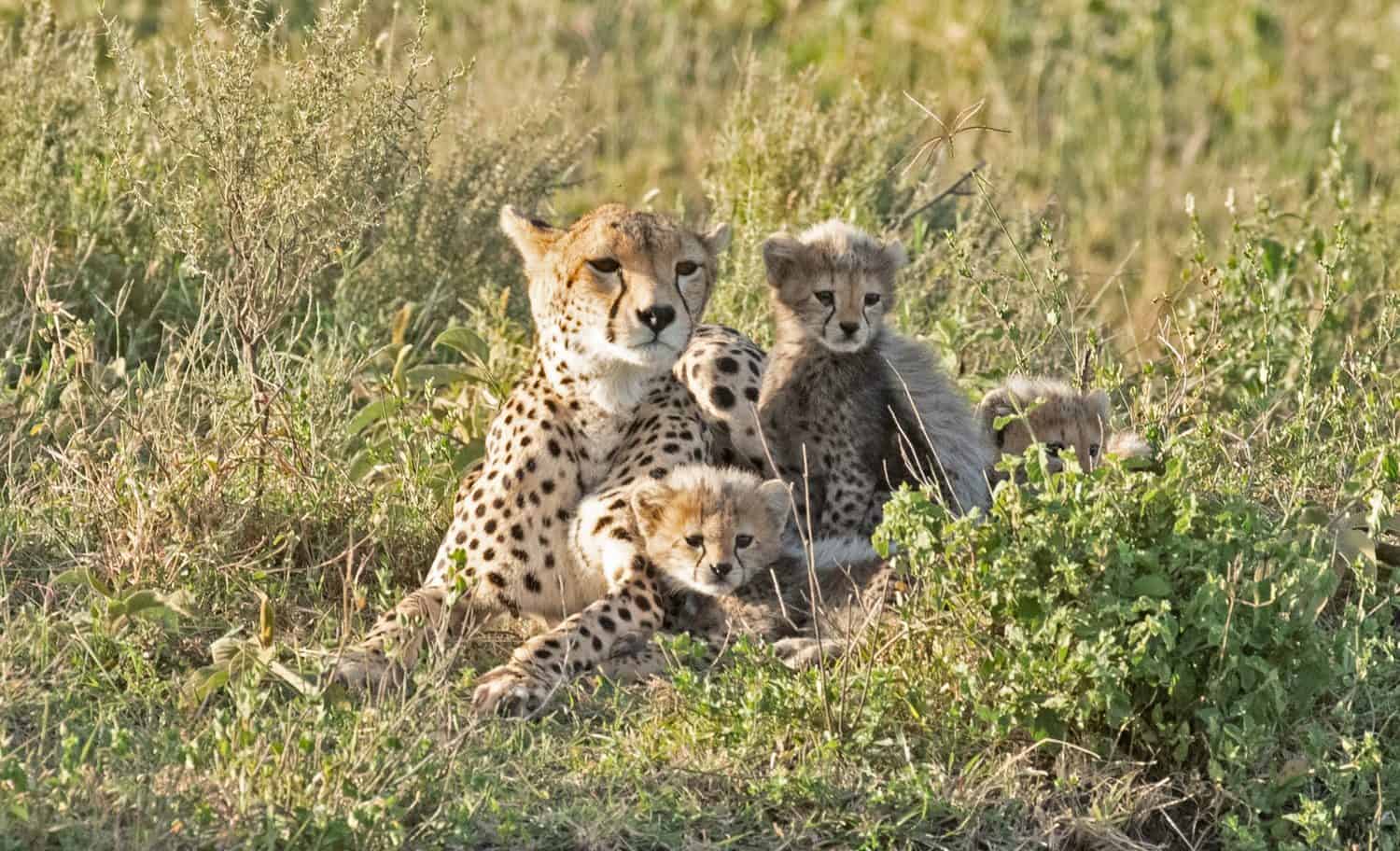
Two mother cheetahs have recently given birth to a total of nine cubs in India.©John Carnemolla/Shutterstock.com
However, that changed on September 17th, 2022. Eight cheetahs from Namibia, comprising five females and three males, arrived at Kuno National Park in the world’s first intercontinental translocation of a large carnivore.
Twelve more followed from South Africa in February 2023. And then, in February 2026, a further nine — six females and three males — arrived from Botswana, strengthening the genetic diversity of the founding population. The program is overseen by the National Tiger Conservation Authority, working alongside the Madhya Pradesh Forest Department, the Wildlife Institute of India, and specialists from Namibia and South Africa.
The first cubs born in India arrived in 2023, and they were the first cheetah births in India in over 70 years, born to a mother named Jwala. Further litters followed in 2024 and 2025 from multiple females. By March 2026, Jwala had given birth again, a litter of five that brought the total to 53, with 33 Indian-born cheetahs in all. The September and October births bring the totals higher, with hopefully more to come.
The Importance of Second-Generation Births
The significance of KGP12’s litter, the most recent cheetah births, is more than most assume. Reintroduction biology ultimately involves establishing a population that persists and sustains itself through successive generations, ideally with decreasing levels of human management over time. Each generation born in India represents animals that have been shaped by Indian conditions, including its prey base, its climate, human threats, and its disease environment.
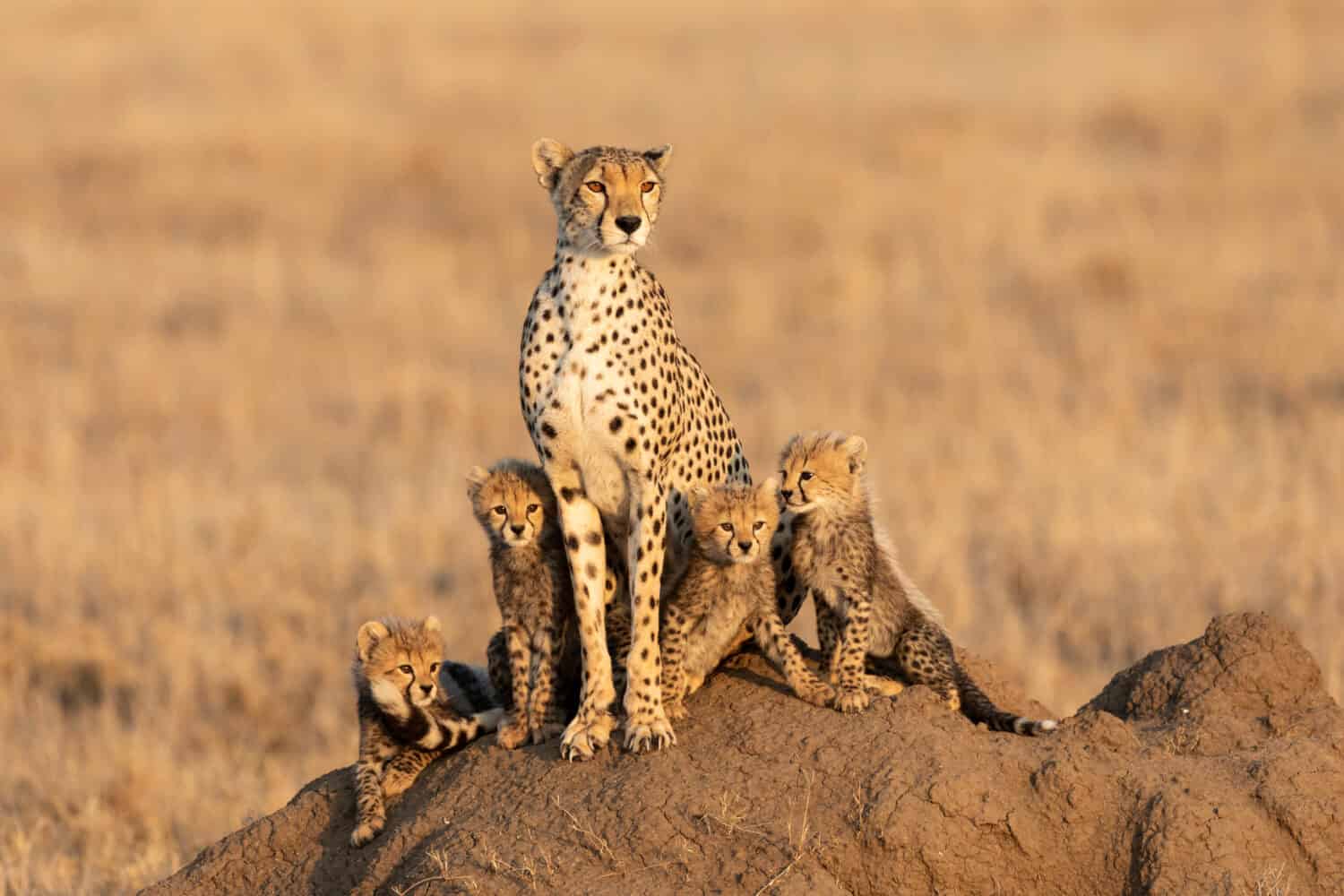
India declared the cheetah extinct back in the 1950s.©Stu Porter/Shutterstock.com
KGP12 is not a translocated African cheetah; she is a cheetah that grew up in Kuno, learned to hunt there, and has now reproduced there. Her success points to a broader success: the first India-born generation of cheetahs can survive to reproductive maturity under the conditions the park provides. KJP21, who gave birth in October 2026, is the third India-born female to reproduce, joining Mukhi and KGP12.
Currently, more than 60% of India’s cheetah population consists of animals born in the country. Fewer cheetahs are being brought in from Africa, and the populations are readily adapting to India’s unique climate and challenges.
Is Project Cheetah a Success Story?
The early years of Project Cheetah makes it difficult to determine if the program is a total success. For example, multiple cheetahs died following translocation, from causes including tick infestations, septic infections during a difficult monsoon season, and the stress of adapting from African savannahs to Indian forests.
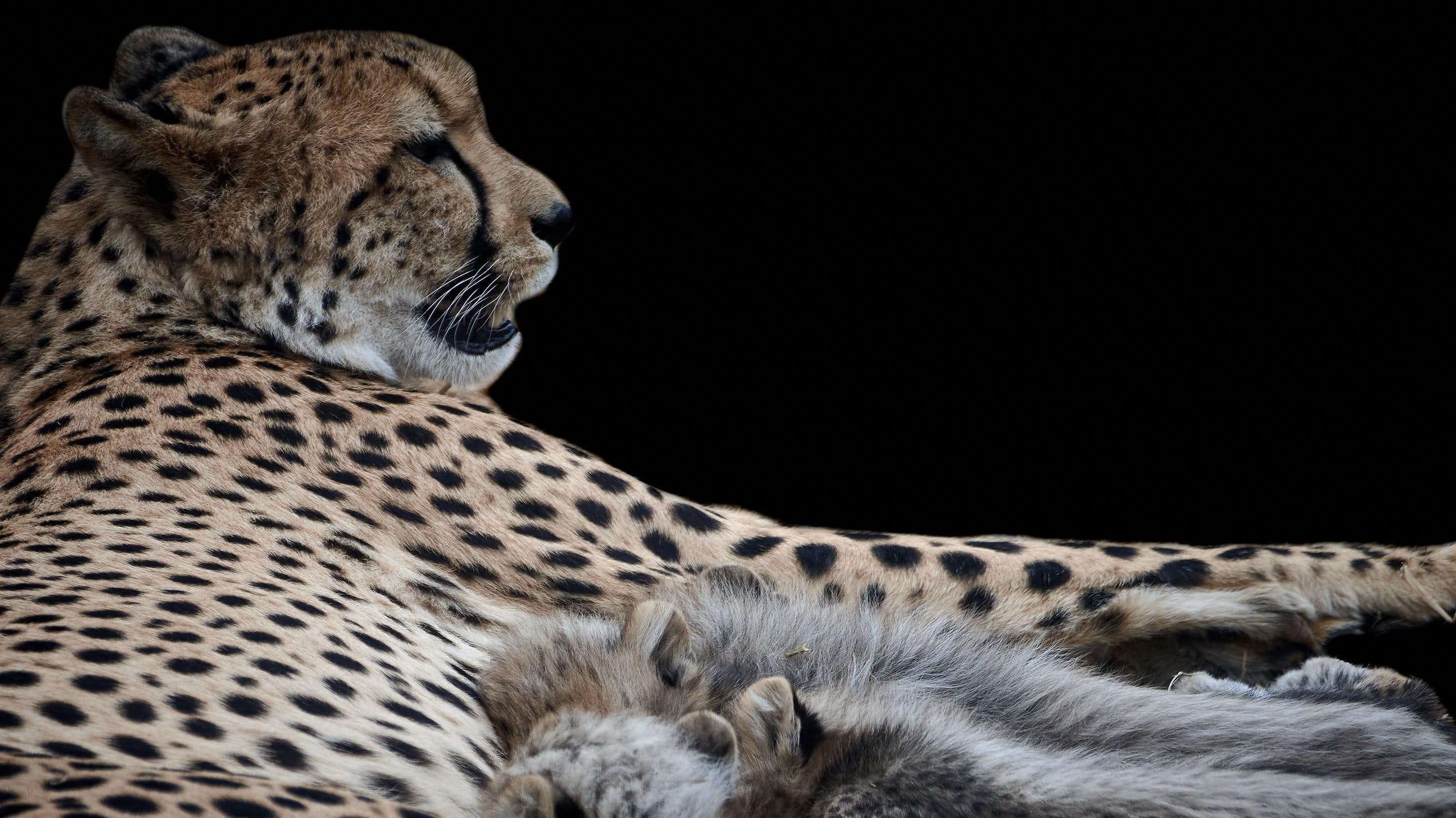
While admirable, Project Cheetah has had some issues.©Thomas Marx/Shutterstock.com
And it isn’t just the early years that make experts pause. A male named Pawan drowned in August 2024, and the NTCA has acknowledged the incident. While the mortality rate remained well below the anticipated threshold of 50% for conservation translocations of this type, it is enough to raise concerns. The government’s position is that some level of mortality is inherent to large carnivore reintroductions and should not be read as failure, but critics have their own opinions.
For example, the project’s reliance on intensive management, questions about the long-term viability of the habitat’s carrying capacity, and the difficulties faced by local livestock farmers dealing with predation are all issues being voiced. Additionally, the government rejected several requests for project data on the grounds of national security, but the decision drew its own criticism from conservation researchers wanting independent access to mortality and movement records.
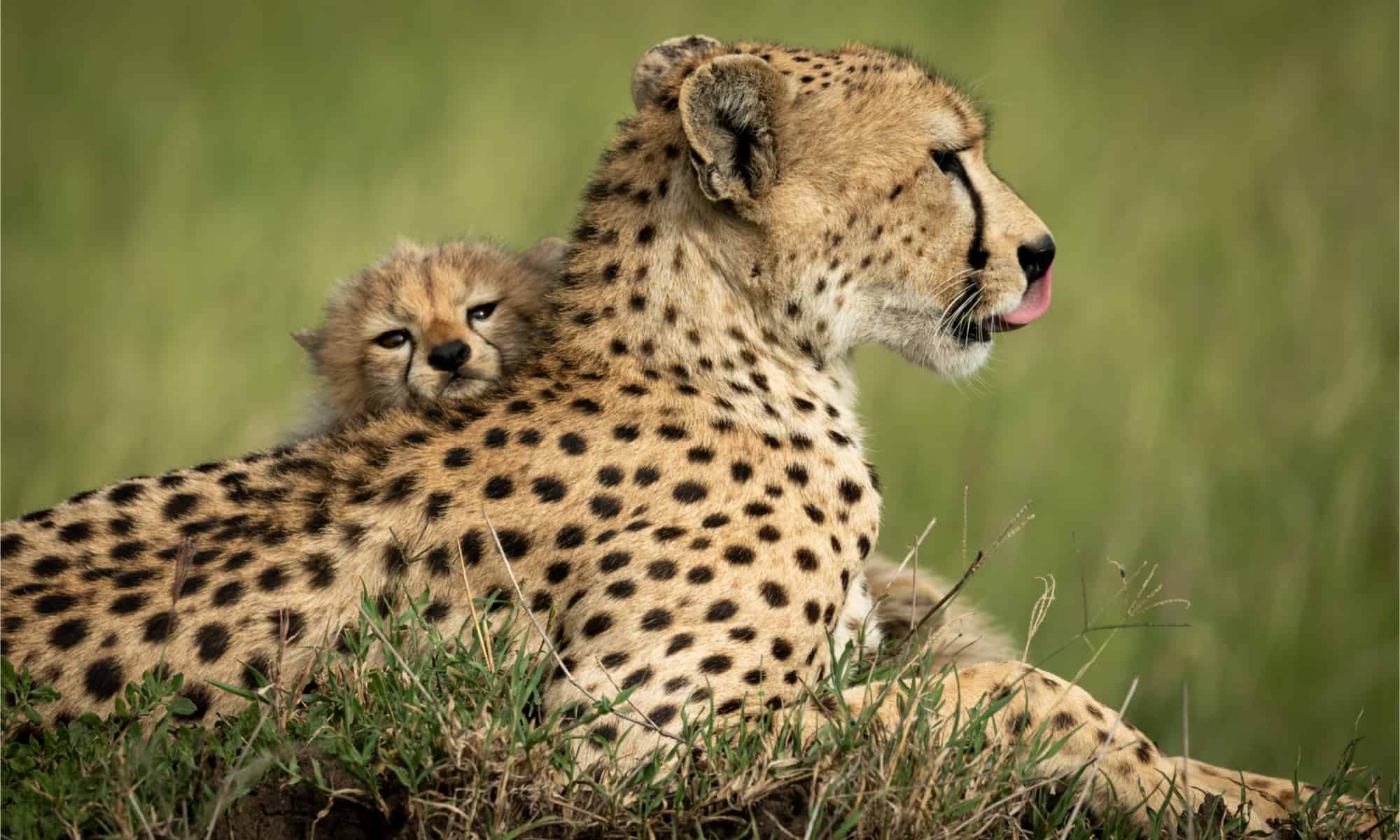
Mortality records of India’s cheetah population aren’t readily available or released by the government.©nwdph/Shutterstock.com
The government’s stated target is a self-sustaining cheetah population in India by 2032. However, a population of 60 animals concentrated primarily in a single national park is not self-sustaining. The IUCN generally considers populations of large carnivores to require at minimum several hundred individuals, distributed across multiple connected landscapes, so Project Cheetah still has a great deal more to do.
Ensuring Project Cheetah’s Future Success
Since a self-sustaining population is one of the goals of Project Cheetah, the expansion of the program is already underway. Gandhi Sagar Wildlife Sanctuary in Madhya Pradesh has been developed as a second site, and some cheetahs are already relocated there. Nauradehi Wildlife Sanctuary and potential sites in Rajasthan represent further phases of the population plan, a plan that envisions connecting suitable landscapes across roughly 17,000 square kilometers to allow range expansion.
What the recent cheetah births in India represent is a program that has survived its most difficult early years and produced hopeful results: animals reproducing, second-generation births, and a growing proportion of the population that is fully Indian-born.
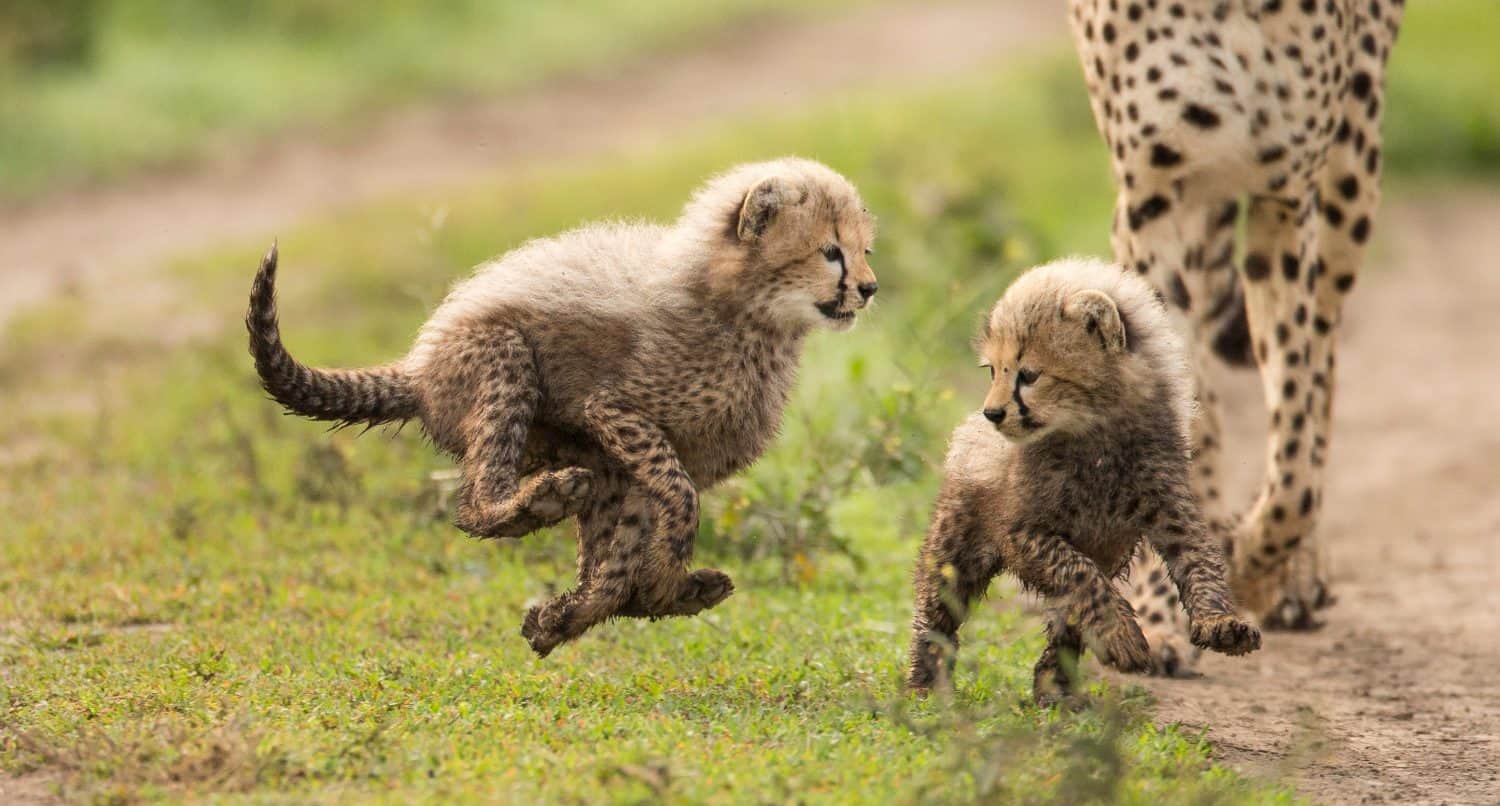
Here’s hoping more India-born cheetahs will thrive thanks to Project Cheetah.©Joe McDonald/Shutterstock.com
However, whether 60 cheetahs become 100, and whether those animals eventually occupy enough connected habitat to constitute a true wild population, will be the measure of Project Cheetah’s achievement. We celebrate the newest cheetahs born in India and are excited to watch how this program progresses over the years.
Source: Nature