Man Who Kidnapped Patty Hearst and Stuffed Her in Car Trunk in 1974 Dies at 81

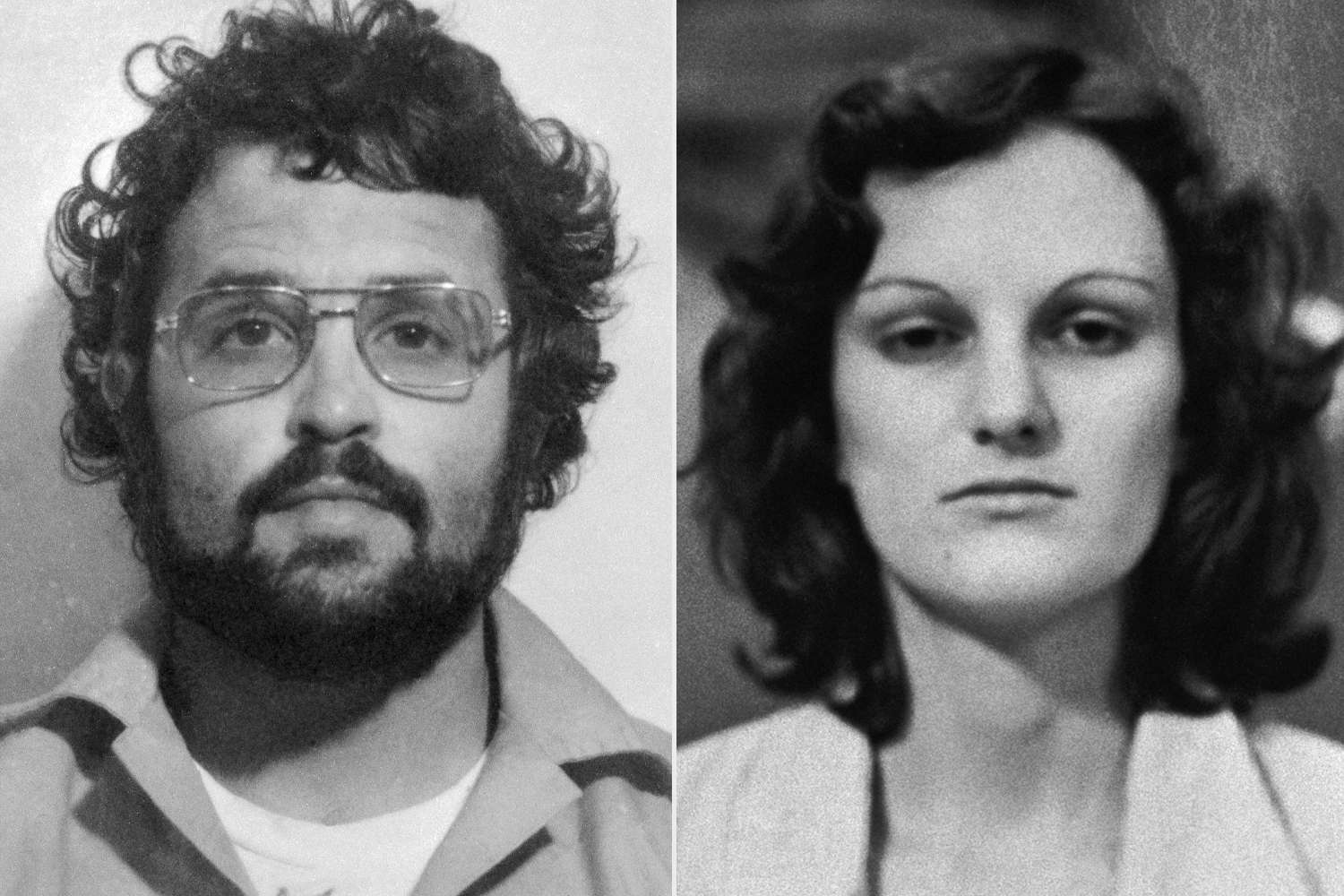
William Harris, Patricia HearstCredit: Bettman; Tony Korody/Sygma/Sygma via Getty
Bill Harris, a member of the Symbionese Liberation Army who helped kidnap Patty Hearst in 1974, has died at 81
Harris helped force the 19-year-old publishing heiress into the trunk of a car after SLA members stormed her Berkeley apartment
He later served prison time for crimes tied to the SLA, including the fatal 1975 Crocker National Bank robbery
Bill Harris, a member of the radical Symbionese Liberation Army who helped kidnap 19-year-old publishing heiress Patricia “Patty” Hearst from her California apartment in 1974, has died. He was 81.
Harris died of a heart attack at a San Francisco hospital on Sept. 10, his wife, Rebecca Young, told The New York Times.
His death comes more than five decades after the kidnapping that became one of the most sensational crimes of the 1970s and thrust Harris and the SLA into national notoriety.
On Feb. 4, 1974, Harris and two other members of the Symbionese Liberation Army, or SLA, stormed the Berkeley, Calif., apartment Hearst shared with her fiancé, Steven Weed, according to the Times.
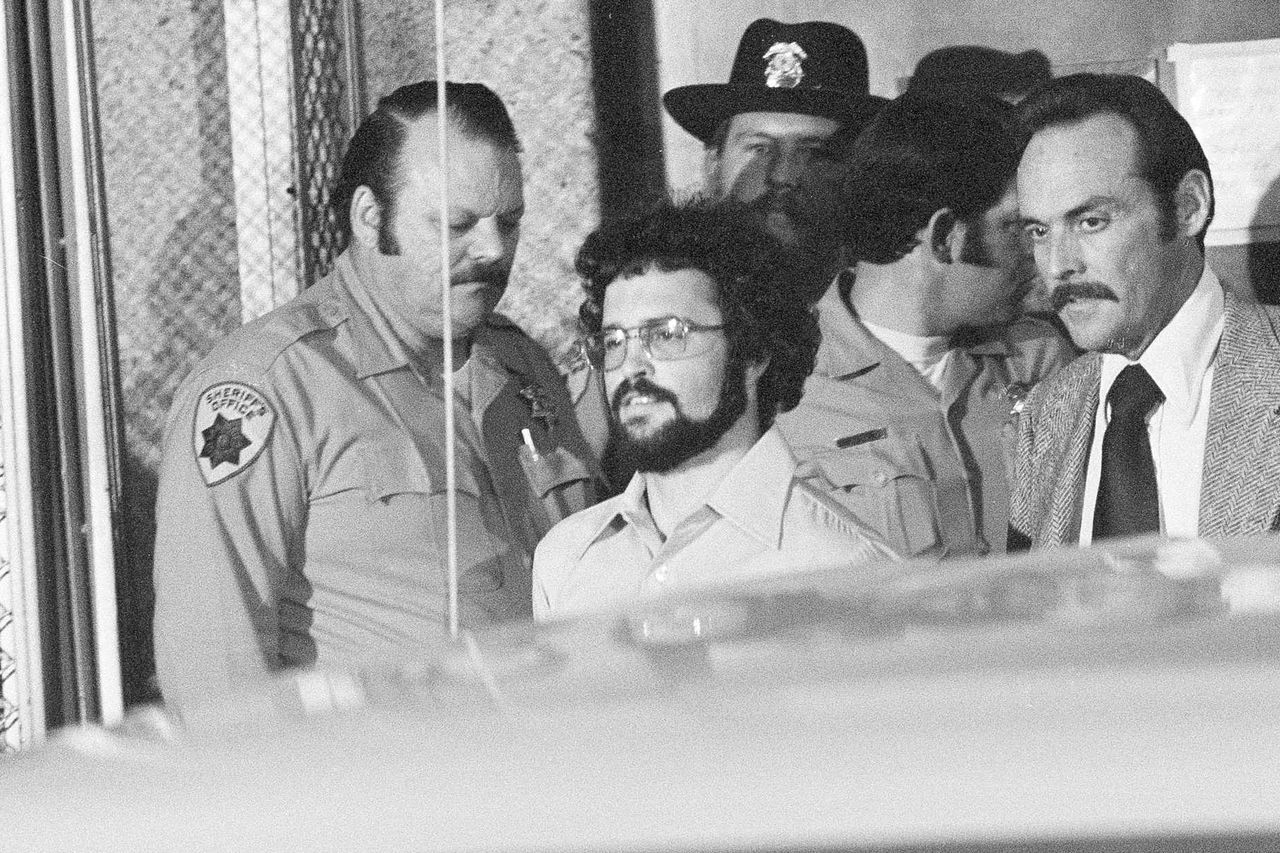
Bill Harris is led by Los Angeles police officers out of the San Mateo County on Sept. 25, 1975.Credit: AP Photo/Raimondo Borea
Following a struggle, Harris helped force Hearst into the trunk of a Chevrolet Impala. She was then held captive by the group, initially largely confined to a closet at an SLA safe house in Daly City.
The SLA, a small revolutionary group formed the previous year, described Hearst as a “prisoner of war.” Its members eventually demanded that the Hearst family finance a food giveaway to the needy that could have cost about $400 million. The Hearsts pledged $2 million, which the kidnappers considered insufficient.
Two months after her abduction, the group released a photograph showing Hearst holding a sawed-off M1 carbine in front of an SLA flag. In a recorded statement, she announced that she had taken the name “Tania” and was joining the organization.
About two weeks later, Hearst participated alongside SLA members in the armed robbery of a Hibernia Bank branch in San Francisco.
Harris later said the group had targeted Hearst because of what her family represented to them.
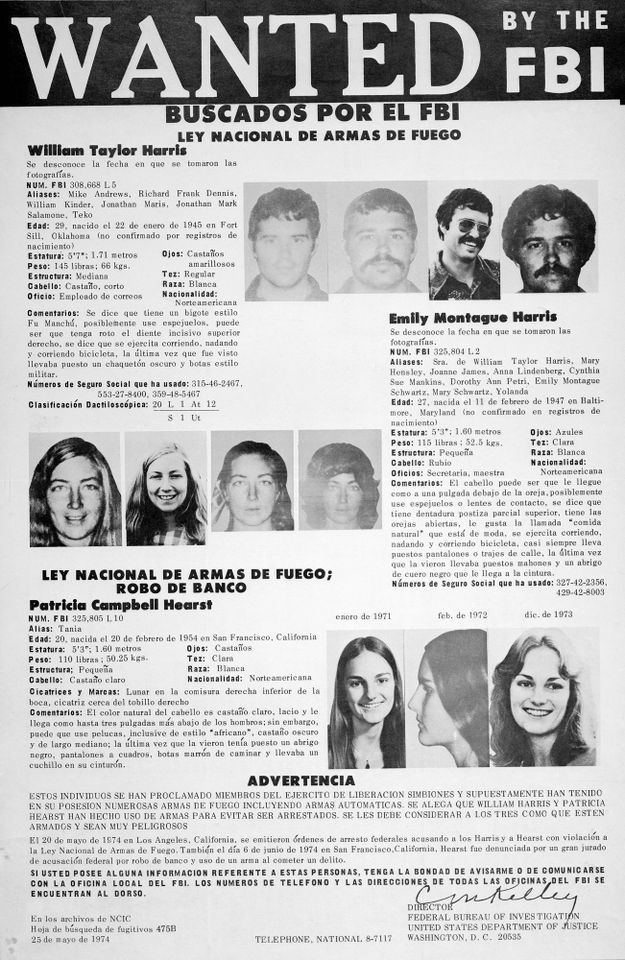
A Spanish language poster bearing photos of Patty Hearst and SIA members William and Emily HarrisCredit: Bettmann Archive/Getty
“Patricia Hearst was a symbolic target,” he said, according to the Times. “Her family was in control of a media empire that we viewed as an arm of propaganda for the United States government.”
Harris was born William Taylor Harris on Jan. 22, 1945, in Fort Sill, Okla., and grew up in Indiana. He attended Indiana University before joining the Marines in 1965 and serving in Vietnam.
After returning home, Harris re-enrolled at Indiana University and joined Vietnam Veterans Against the War as his politics shifted to the left, the Times reported.
He married fellow student Emily Schwartz in 1971, and the couple later moved to California. There, they became involved with the SLA, which had gained notoriety in 1973 for killing Oakland schools superintendent Marcus Foster with cyanide-laced bullets.
Harris, known within the SLA as “General Teko,” and his then-wife eventually helped plan Hearst’s kidnapping.
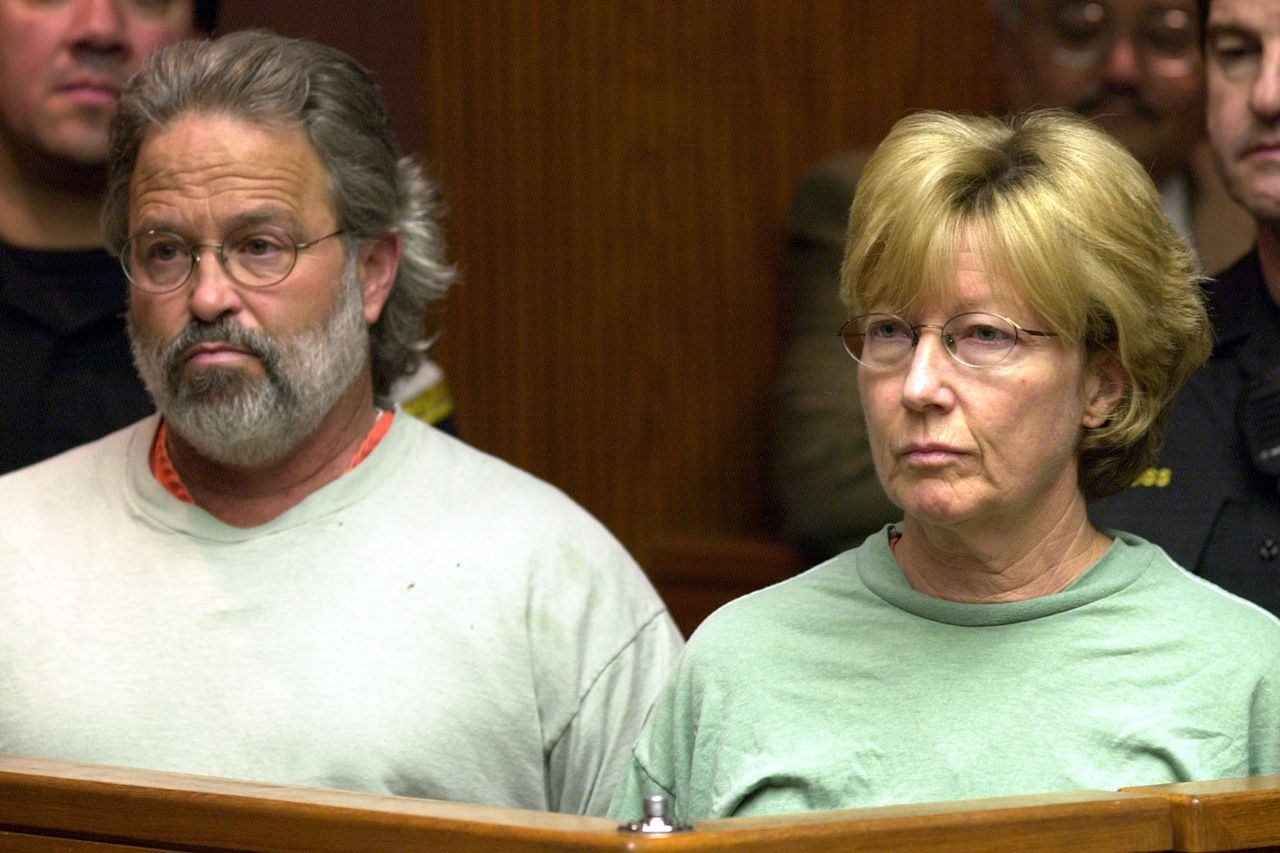
Former Symbionese Liberation Army members Bill Harris, left, and ex-wife Emily Harris, rightCredit: AP Photo/Rich Pedroncelli
Months after the abduction, Harris, Emily Harris and Hearst were shopping for supplies in Inglewood, Calif., when Harris was confronted after shoplifting a shotgun-shell bandoleer from a sporting goods store, according to the Times. During the confrontation, Hearst fired at the store from across the street, allowing Harris to escape. No one was injured.
The three fled and stole multiple cars, leaving behind the Volkswagen van they had been using. A parking ticket found inside the van indirectly led authorities to an SLA hideout in South Central Los Angeles.
By then, Harris, his wife and Hearst had fled. Police and FBI agents surrounded the hideout, where six other SLA members were staying. After the occupants exchanged gunfire with law enforcement, the house caught fire. All six SLA members inside, including the group’s leader, Donald DeFreeze, died.
Harris, his wife and Hearst remained fugitives and eventually returned to Northern California.
In April 1975, members of the reconstituted SLA robbed a Crocker National Bank branch near Sacramento. During the robbery, Emily Harris accidentally fired a shotgun, killing Myrna Opsahl, a mother of four who was at the bank to deposit church collections, according to the Times.
Harris, Emily Harris and Hearst were arrested in San Francisco that September.
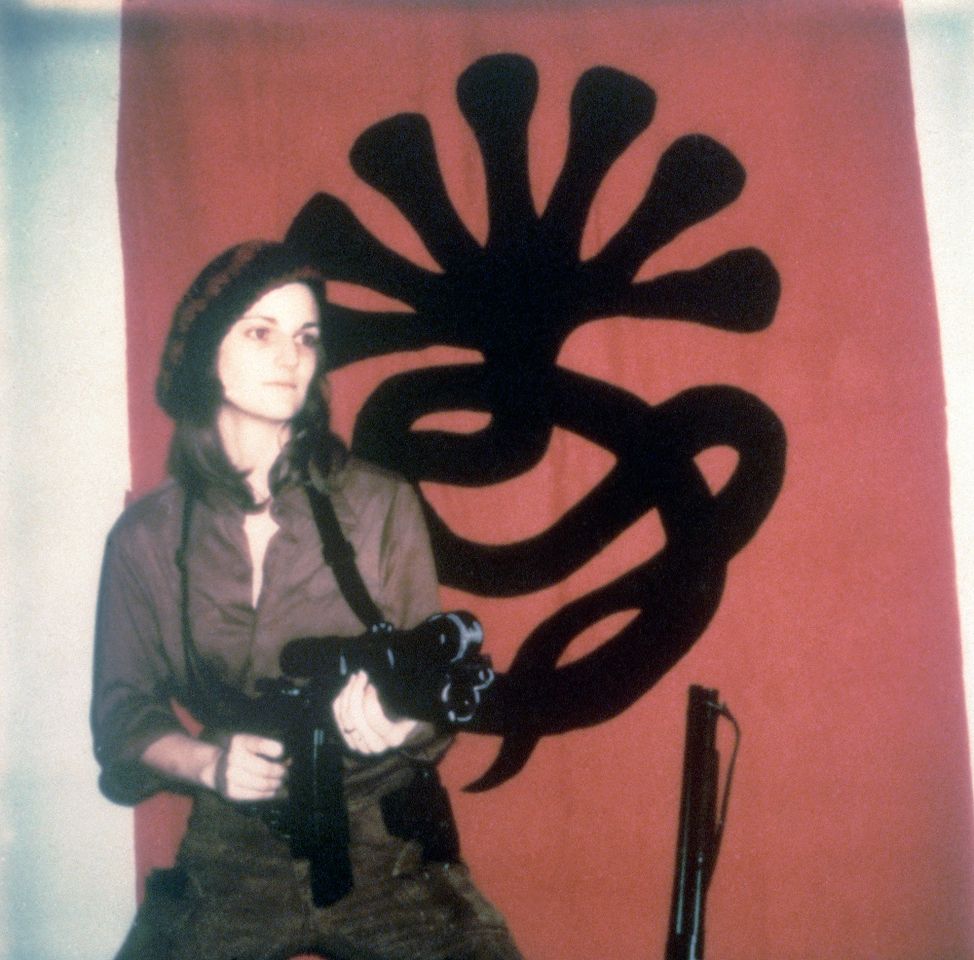
Patty Hearst with Machine GunCredit: Getty
Harris and his then-wife were convicted the following year on charges stemming from their Los Angeles crime spree, including armed robbery and auto theft, according to the Times. While jailed awaiting trial, they were indicted in Hearst’s kidnapping and later reached a plea agreement. They spent about eight years in prison before being paroled in 1983.
Nearly two decades later, Harris, his former wife and three other SLA members were arrested on charges connected to the fatal Crocker bank robbery. All five pleaded guilty to second-degree murder in 2002. Harris served another four years in prison.
Hearst, meanwhile, was convicted for her role in the Hibernia Bank robbery and sentenced to seven years in prison. She served about 22 months before President Jimmy Carter commuted her sentence in 1979.
Harris and Emily Harris divorced after their release from prison. He later worked as a private investigator and married Young, a Bay Area defense attorney, in 1988.
In addition to his wife, Harris is survived by their sons, Cody and Shane, and his sisters, Joanne Johnson and Amy Duke, according to the Times.
Decades after the kidnapping that made him notorious, Harris continued to dispute Hearst’s account that she believed her choices in captivity were to join the SLA or be killed.
He also remained defiant about his own place in history.
“If you do something and you succeed, then you’re a revolutionary of high quality and you get to be George Washington, the father of the country,” Harris told the Los Angeles Times in 2002. “But if you challenge power and you’re rubbed out, you’re in the trash bin of history.”
Source: Crime