Windy migration hazards along the Central Flyway | OpinionJim Goetze, San Angelo Standard-TimesSun, October 18, 2026 at 9:05 AM UTC

Migrating birds and bats face natural and manmade hazards. New strategies aim to reduce wind turbine fatalities.
Huge herds of migrating bison are a historic memory in Northcentral Texas and Southwestern Oklahoma. However, the Rolling Plains region still hosts hundreds of migratory species.
Let’s concentrate upon volant, vertebrate animals. The conspicuous flying migrants of this discussion are many species of avians and bats.
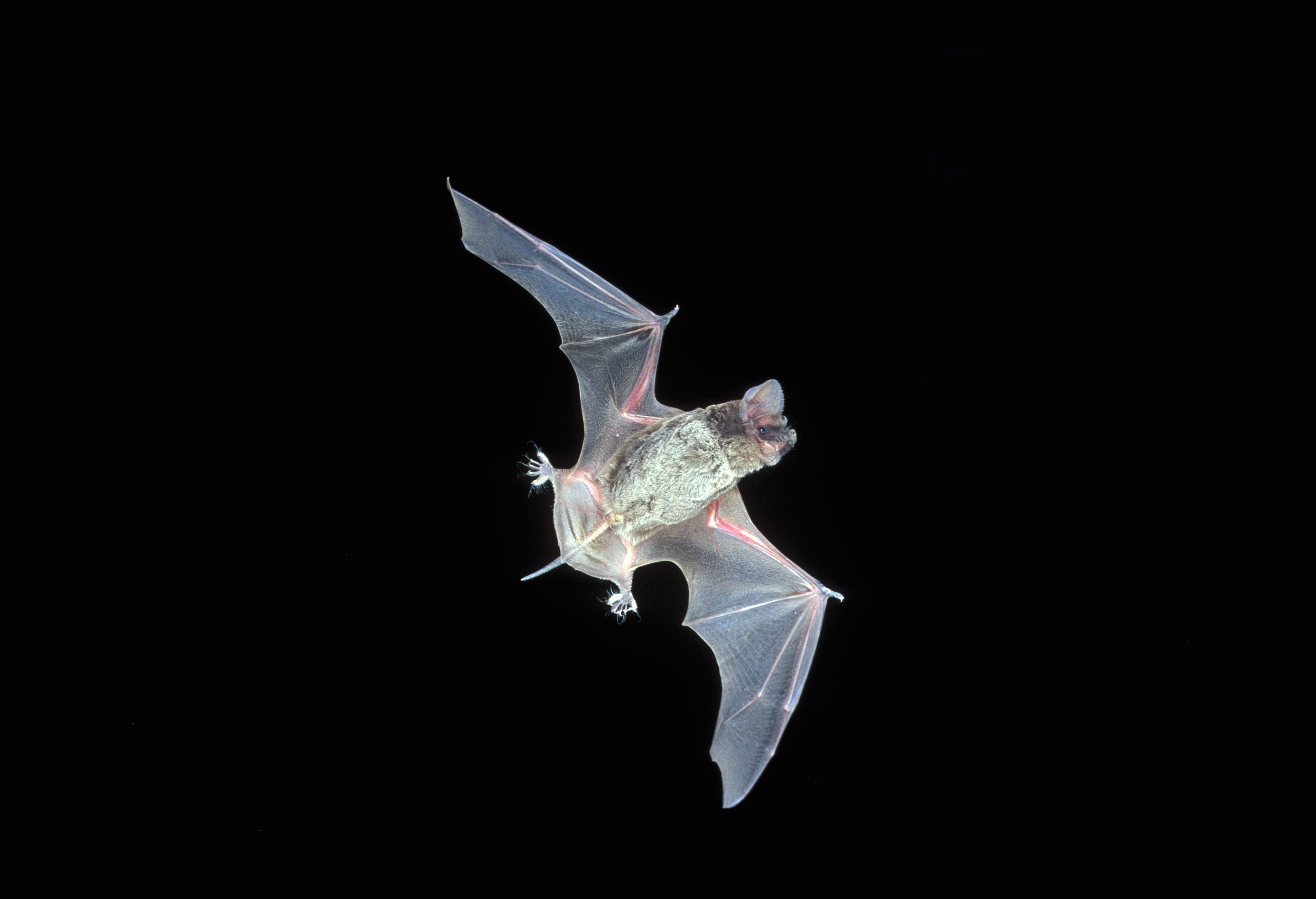
More than 300 avian species, comprising approximately 98.5% of avian diversity in the United States, migrate to or through our region and 10 to 14 bat species migrate into or through the area.
The Central Flyway
Many species’ migratory treks extend over great distances, and the migrants are likely to encounter natural hazards along their routes.
Our region is located in a huge avian migratory zone known as the Central Flyway extending from the eastern edge of Alaska into Canada and thence southward through the central United States and into Mexico.
Stormy weather and 'fallouts'
During their fall and spring journeys, the avians and chiropterans encounter cold-fronts, snow storms and blizzards, thunder storms, tropical storms and other weather-related extremes.
Such weather-related events, and the fact that many avians wintering in Central and South America migrate across Gulf waters, often result in spectacular bird “fallouts” along coastal zones and other inland areas.
Whenever fallout events are forecast or predicted, thousands of birders enthusiastically gather near anticipated fallout zones to observe the tremendous diversity of migratory birds resting and feeding before resuming northward journeys.
In order to aid the exhausted and nutritionally depleted birds, supplemental feeding and protected rest and stopover sites are often established. Stopover habitats and wildlife refuges, such as nearby Hackberry Flats and the Wichita Mountains Wildlife Refuge, have also been permanently set aside and serve a similar purpose for many species.
Migrating birds and bats also face increased encounters with predators and greater disease transmission because of concentrated numbers and physiological stress.
For example, the chances of avians contracting bird flu increase during migratory periods. Most migrating bats undertake shorter regional and intracontinental migrations and many, but not all, long-distance migratory chiropterans form smaller group colonies. Thus, disease transmission is less frequent between chiropteran populations.
A possible exception occurs whenever cave-roosting species occupy multispecies roosts among nonmigrating, resident bats. However, each bat species usually occupies a different location or microhabitat within large roosting locations.
Deadly white nose syndrome fungal disease is reportedly higher in interspecific bat roosts containing resident hibernators and also is more easily spread within large, summer maternal roost sites consisting of migratory female bats and their young pups.
Manmade hazards
In addition to natural hazards, these migrators also face manmade hazards. Among the most frequently mentioned of these hazards are large wind turbines and wind farms for electricity generation.
Texas leads the United States in electricity generation from wind, and, although impossible to accurately count, the large number of wind farms and turbines throughout Northcentral Texas and Southwestern Oklahoma are likely responsible for tens of thousands of avian deaths per year.
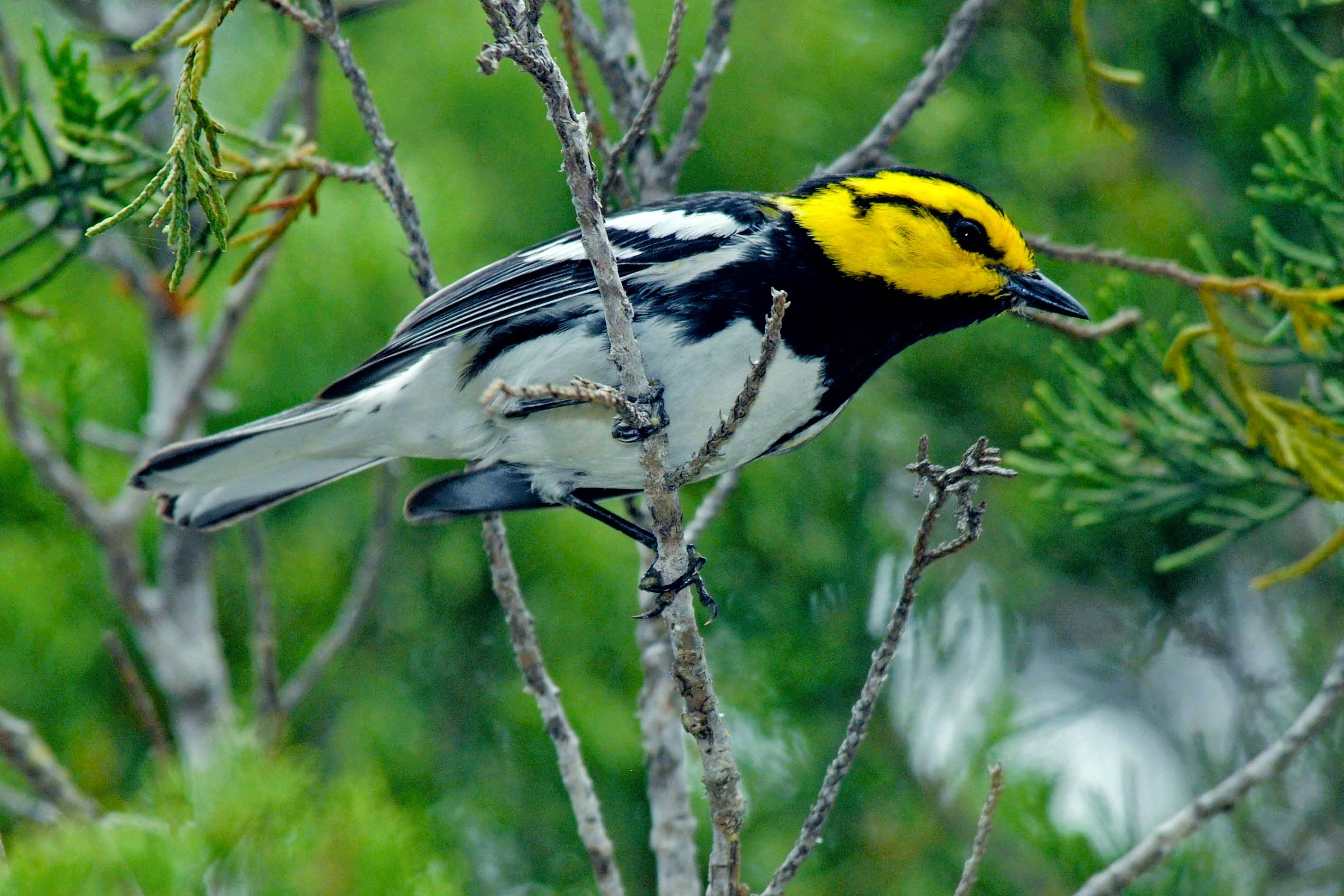
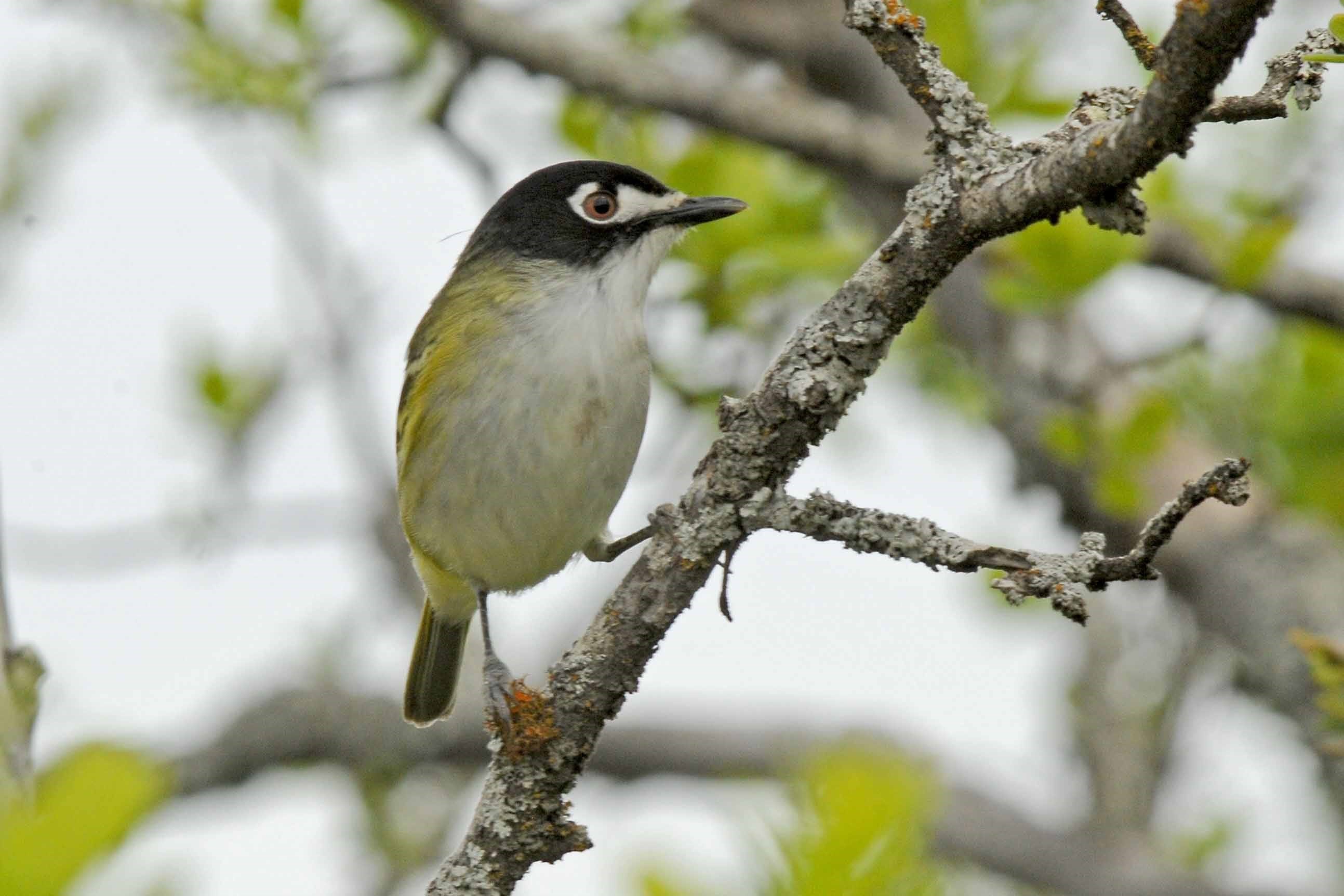
Many migrating songbirds, such as golden-cheeked warblers and black-capped vireos are at high risk, and raptors are also frequent victims of wind turbine blade strikes. Due to open habitat chosen for many wind farms, the Rolling and Great Plains regions have lower avian fatality rates compared to the most of the United States.
However, researchers have estimated that, depending upon height and type, each wind turbine may be responsible for two to nine bird deaths each year.
Bat fatalities due to wind turbines are not closely monitored over large regions, but it has been estimated that approximately 200,000 bats are annually killed within Texas after striking wind turbines.
The greatest number of bat fatalities involve the Brazilian free-tailed bat (Tadarida brasiliensis) which migrates through the region in large numbers during spring, late summer and fall months.
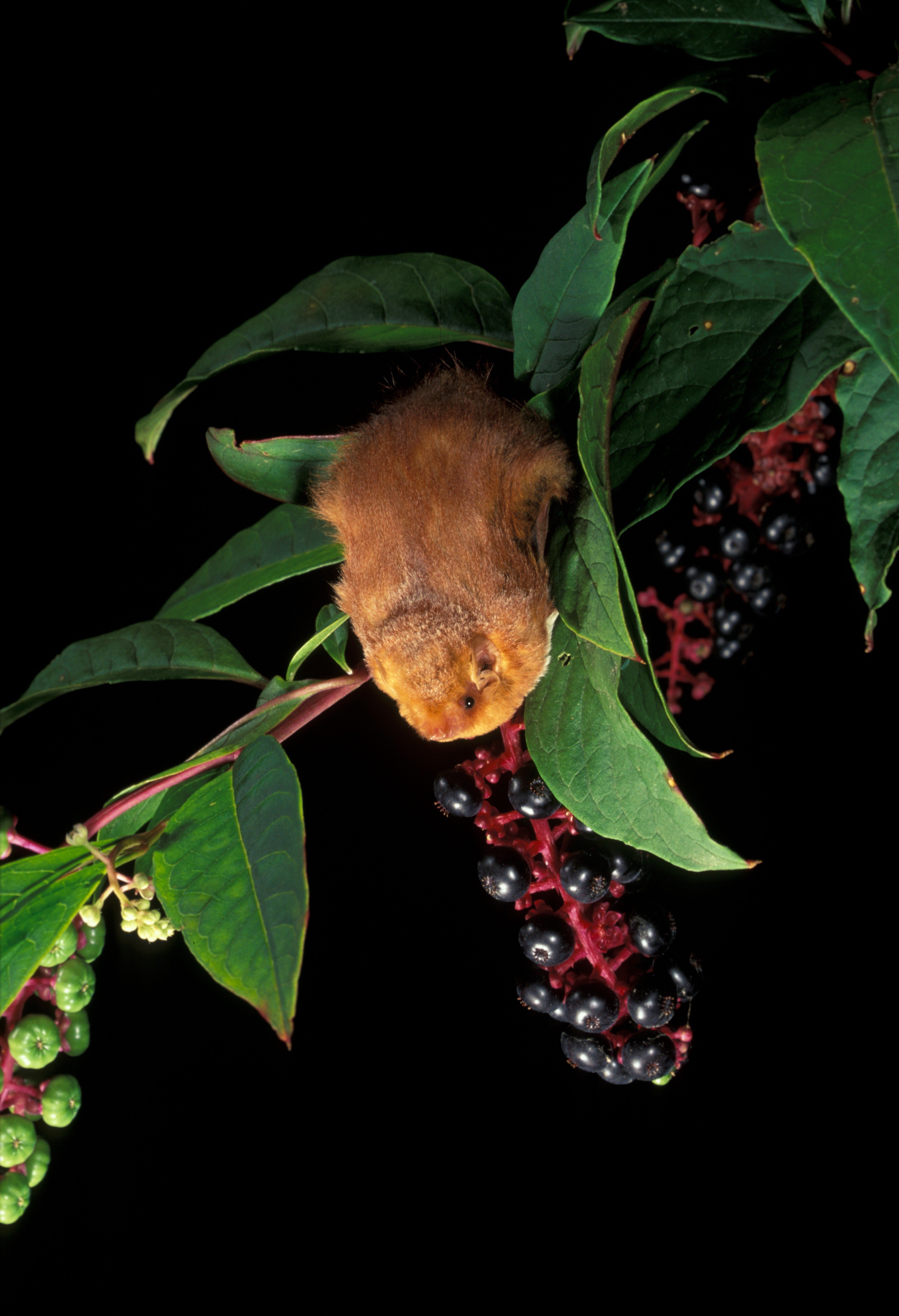
Various tree-roosting bat species populations, including the hoary, red and silver-haired bat, are also impacted by wind turbine strikes.
Preventing wildlife deaths from wind turbines
Increased environmental awareness, improved monitoring and sensory technologies, and other preventative strategies have been and are being developed and implemented since initiation of wind turbine technologies and establishment of the first large scale wind farms.
Norwegian researchers discovered one of the simplest ways to significantly reduce bird strikes of wind turbines involves painting a black stripe on at least one turbine blade. Researchers found that painting a single blade black reduced bird collisions and fatalities by approximately 70 percent because the spinning blades become more visible to avians.
Large scale trials of this safety measure are being conducted in the United States.
Site developers also utilize detailed environmental impact studies and predictive mapping technology to determine appropriate wind turbine locations while simultaneously reducing risks to resident and migrant wildlife.
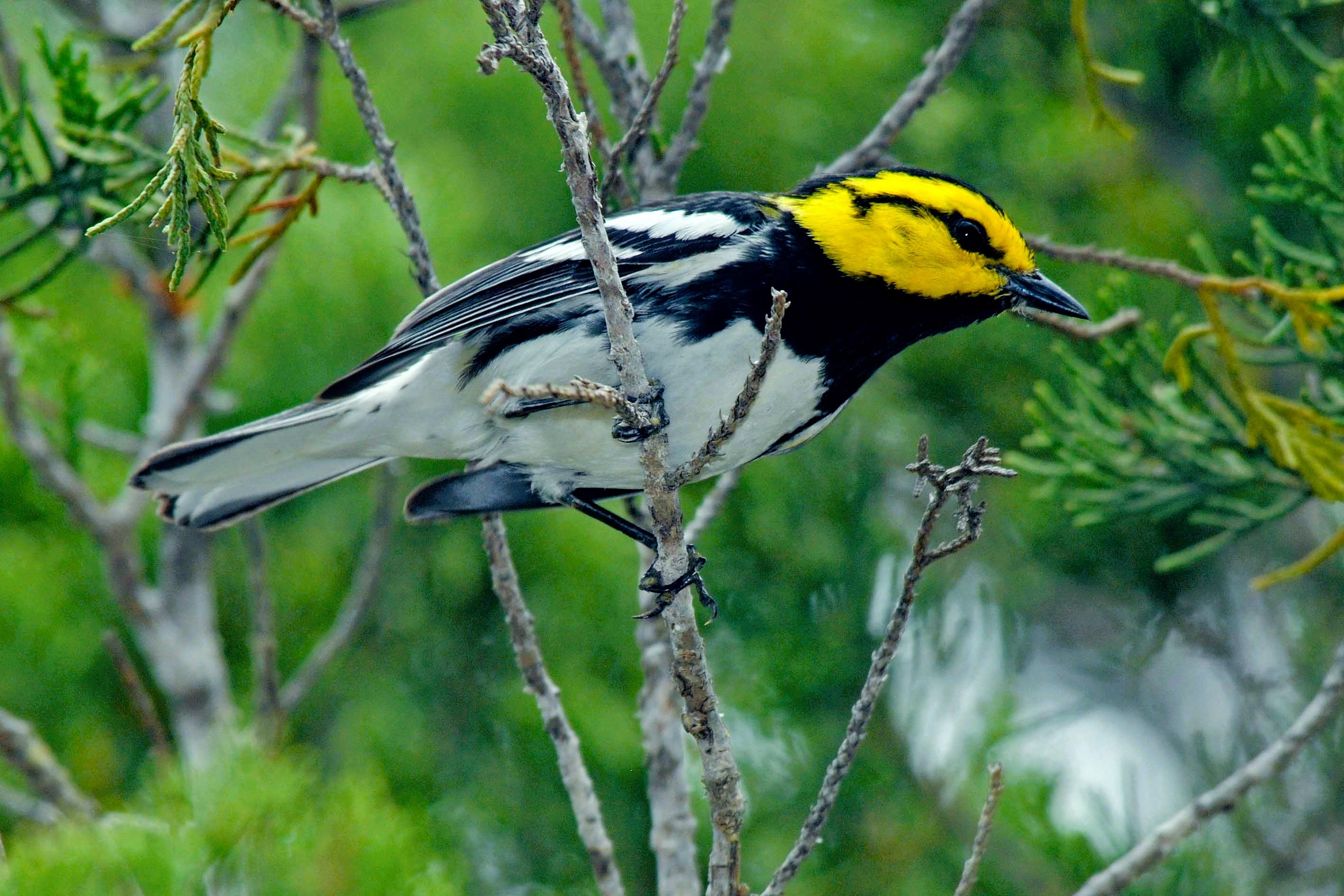
Also, various organizations, including local Audubon Associations, eBird from Cornell University, and Bat Conservation International’s accurate and real-time reporting data on locations and movements of migrant birds and bats provide utility companies essential data for anticipating and implementing measures to lessen bat and bird mortality related to wind turbines.
These deterrent measures include ultrasonic devices that warn bats away from turbine blades and camera and/or radar-activated, sound systems used to frighten away birds. Additionally, many wind turbines cut out, or stop turning, during periods of low wind speed.
These time intervals of low-to-no wind turbine activity coincide with ideal conditions and time periods for foraging bats and nocturnal, insectivorous birds; thus, these operational safety measures reduce wildlife fatalities. Utility companies may also opt to temporarily halt wind turbines during peak migratory periods and seasons of bats and birds.
As we discussed, wind turbines are responsible for some avian and chiropteran deaths throughout Northcentral Texas and Southwestern Oklahoma; however, increasing knowledge and improved technologies promise significant reductions of wildlife fatalities.
There are greater hazards to migrating birds closer to home, but those hazards will be a future topic.

Jim Goetze is a retired professor of biology and former chairperson of the Natural Sciences Department of Laredo College with an avid interest in all aspects of the natural world. He can be contacted atgonorthtxnature@gmail.com.
This article originally appeared on San Angelo Standard-Times: Windy migration hazards along the Central Flyway | Opinion
Source: Nature