Grieving Orca Spotted Carrying Her Dead Calf on Her Nose a Year After a Pod Member Exhibited the Same Behavior

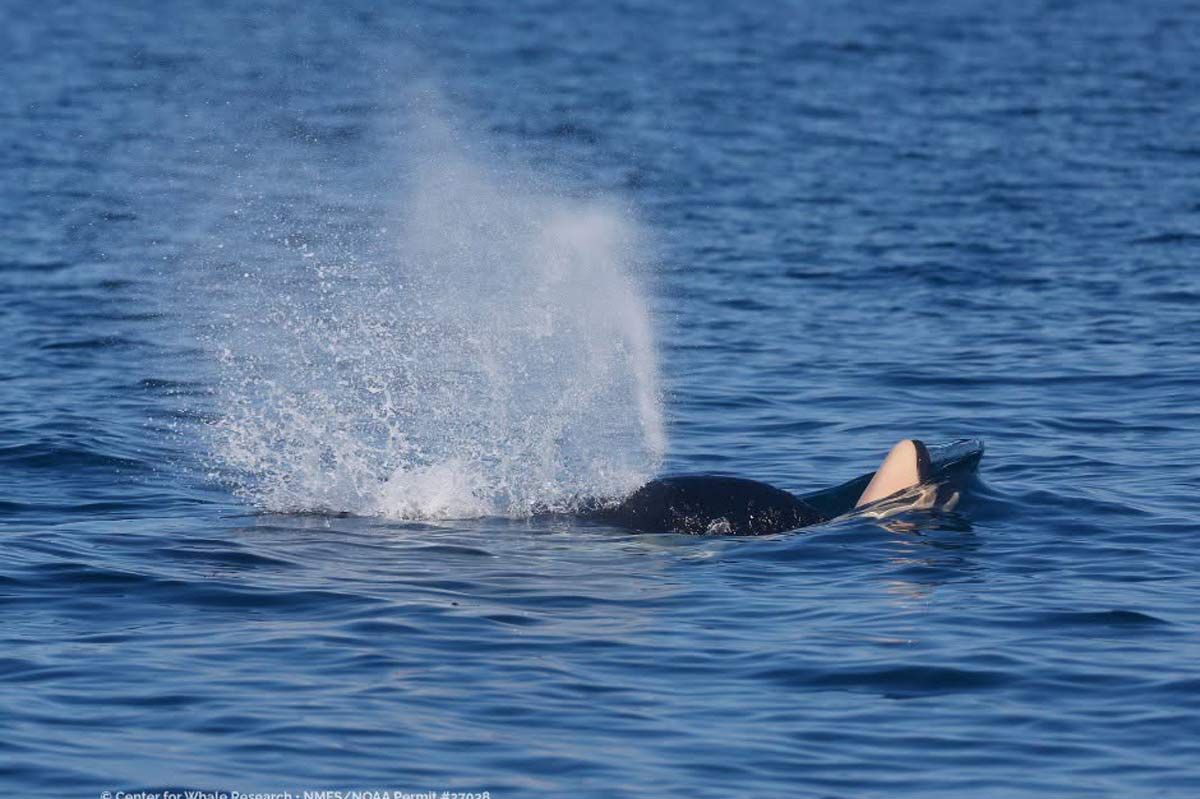
Tsuchi carrying her dead calf on her nose.Credit: Center for Whale Research
An orca mother is grieving the loss of her calf by carrying the baby’s body with her
Tsuchi, 31, has one living 7-year-old daughter, and researchers believe she has lost at least eight other calves
Tsuchi’s neighbors, Alki and Tahlequah, have also both been seen carrying their dead children with them in recent years as a mourning ritual
An orca mother is mourning the loss of her calf.
On Saturday, Oct. 3, a 31-year-old critically endangered Southern Resident killer whale known as J31, or Tsuchi, was spotted swimming with her pod through the Strait of Juan de Fuca near Canada. She appeared to be moving differently from the other orcas around her, KUOW reported. The heartbreaking reason quickly became apparent: she was carrying her dead newborn calf on her nose.
Unfortunately, this is not Tsuchi’s first time grieving the loss of a calf, the outlet reported. The orca — who has one living 7-year-old daughter — has lost at least eight calves, either just before giving birth or soon thereafter, and she was similarly seen 10 years ago carrying her deceased calf on her nose.
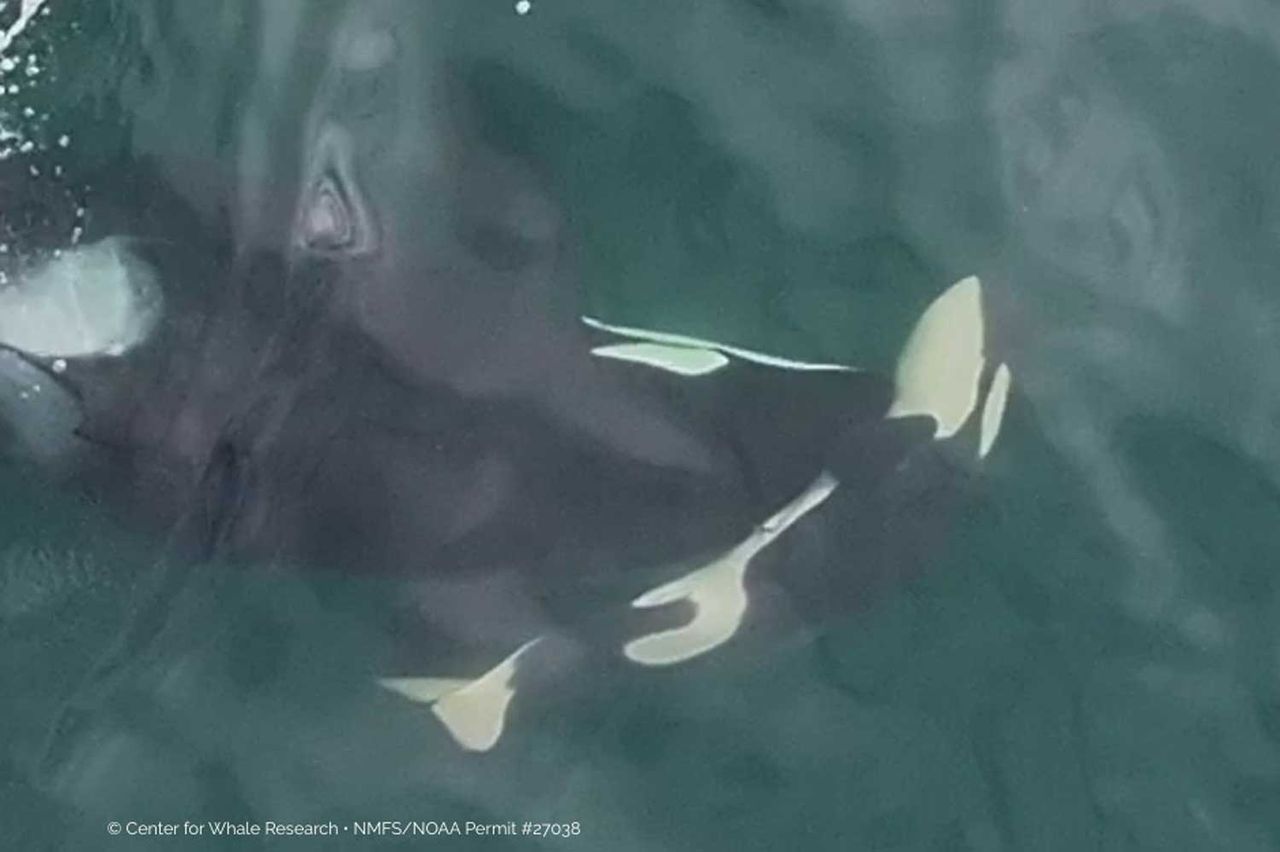
Alki carrying her dead calf.Credit: Center for Whale Research
“She’s kind of the poster child, if you will, for the pregnancy failure issue in this population,” whale researcher Deborah Giles with the nonprofit SeaDoc Society said in a statement.
According to Whale Scientists, orcas are known to have a high infant mortality rate, with up to 50% of newborn calves dying within a year of their birth.
“Either they’re miscarrying, or they’re giving birth, and then the babies are dying right away. J31 has had so many of these failed pregnancies,” Giles told KUOW.
Tsuchi’s pod, too, is familiar with this cycle of grief, as her pod member, J36, also known as Alki, was spotted pushing her own dead calf through the water using her head, just over a year ago on Sept. 12, 2025.
At the time, the Center for Whale Research reported that the calf that Alki refused to let go of still had its umbilical cord attached. It’s not clear if the baby was a stillbirth or if she died “shortly after birth,” the center said.
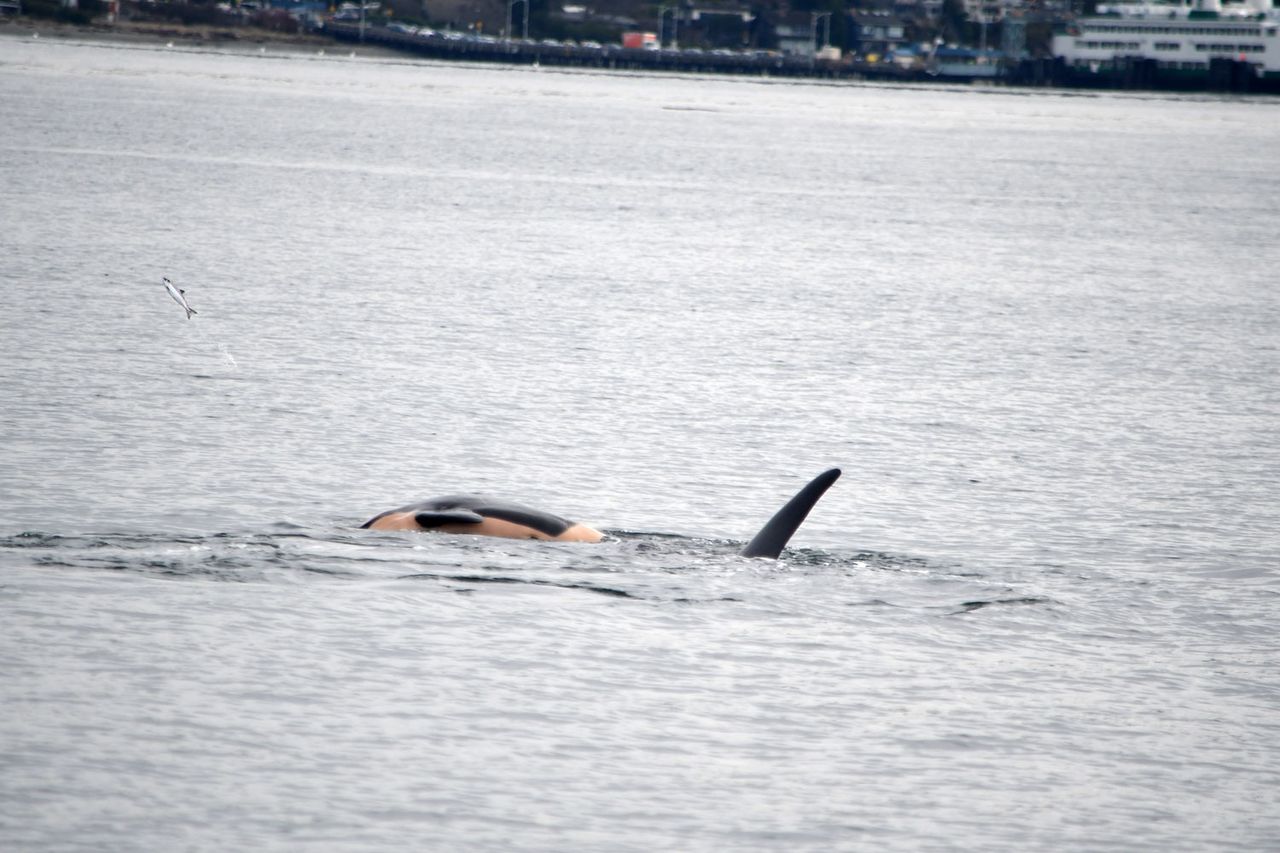
Tahlequah carrying her dead calf.Credit: NOAA Fisheries West Coast
Before Tsuchi and Alki, pod member J35, or Tahlequah, was seen carrying her dead calf for 11 days following the calf’s death on New Year’s Eve in 2024. Tahlequah, a mother to two living sons, previously lost a baby in 2018 and honored her by carrying her for 17 days.
— sign up for PEOPLE’s free daily newsletter to stay up-to-date on the best of what PEOPLE has to offer, from celebrity news to compelling human interest stories.
Both periods of mourning were abnormally long for an orca, Giles told The Seattle Times, per previous PEOPLE reporting. And each time her dead calf slipped from her nose, she chose to dive down to retrieve the body, rather than releasing it to the current.
While the orca’s grief proved physically taxing, Giles said she was more worried for Tahlequah’s mental health.
“This is really sad and scary to me,” she told the outlet. “She has this deep connection to her calves.”
Source: Nature