Watch cheetah cubs grow up on the Smithsonian’s den camStephanie Sokol Tue, October 13, 2026 at 1:20 AM UTC

(NewsNation) — If you're a fan of large, fast, fuzzy carnivores, you'll want to check out the Smithsonian National Zoo's newest den cam.
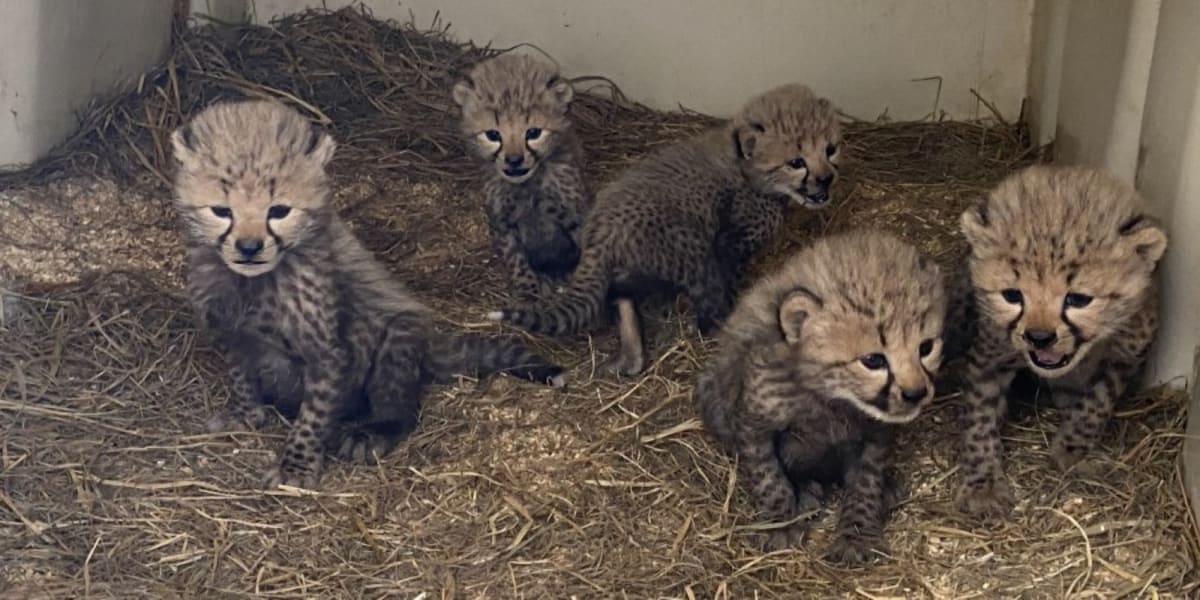
The Smithsonian Conservation Biology Institute, in Washington, D.C., welcomed five cheetah cubs on Oct. 5. Since their den is offsite and not accessible to the public, the zoo will stream their daily life for the community to see.
The young cheetahs are the breeding program's third litter. The babies' mother, Zura, was born five years ago at the institute, so for the breeding program, it's "a full-circle moment."
“With these cubs, we now have four generations of the same cheetah family with us,” said Adrienne Crosier, carnivore curator at SCBI. “It’s a testament to the high level of care our team is able to provide for these animals.”
1 in 15 house cats may carry ‘beaver fever’ parasite that can infect humans
The feed, which acts as remote monitoring for animal care staff, is accessible to everyone and will give the public a look at den life as the cubs get in lots of important sleep — but also begin learning to groom, play and talk.
The livestream also helps the cubs have limited human contact during their first days so they can focus on bonding with their mother.
There is a global effort to breed the world's fastest land mammal, including efforts by the Cheetah Breeding Coalition, made up of 10 Association of Zoos & Aquariums-accredited U.S. facilities, including SCBI. Despite these efforts, only about half of attempts result in babies, so this news is hopeful for the endangered species and the researchers.
Inbred gray wolves on Michigan island should survive: Study
As the last Ice Age ended, cheetah populations declined. The remaining group of big cats mated with relatives, so the species has many inbreeding-related reproductive problems, including "low sperm motility, high genetic similarity and a reduced capacity to adapt to environmental change."
In the early 20th century, cheetah numbers in Africa and Asia were around 100,000. There are now less than 7,000 in the wild, with the species seen as vulnerable to extinction by the International Union for Conservation of Nature. According to SCBI, "climate change, habitat loss, declining prey populations and human conflict have limited the species to just 9% of its historic range."
To help protect and successfully breed the species, the SCBI is studying cheetahs at the cellular level, focusing on the role the gut microbiome plays in "fertility, sperm quality, and even offspring survival across wildlife species."
Copyright 2026 Nexstar Media, Inc.
Source: Nature